Whether you get something to drive while your car is in the workshop comes down to three things. What your repairer has spare on your dates. What your own policy includes. And whether another driver was at fault. Most people roll all three into one idea called a courtesy car, then get a surprise, because each one has a different person paying.
The car is going in, Monday is coming, and nobody has said if there is a car for you.
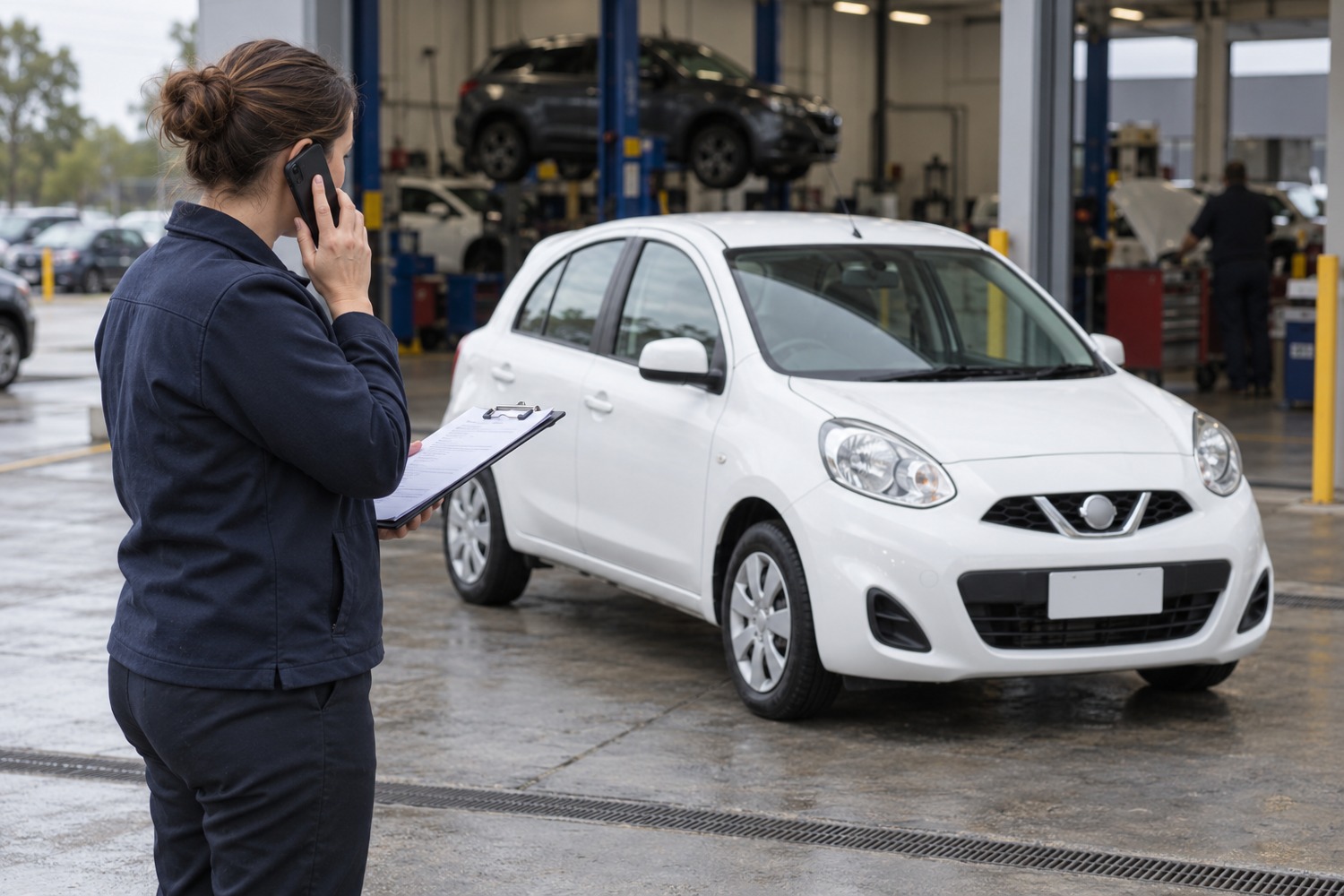
A courtesy car, or loan car, is a car the repairer lends you while yours is in the workshop. It is availability, not entitlement.
A panel shop keeps a few cars, and they are often out with other customers. So the answer turns on when your repair starts, and how long the car before yours is booked for. Both get clearer once the repair has a date.
That is why the question belongs in the conversation where the repair gets booked. Ask at the counter on drop-off morning and the cars are already allocated.
Expect a small hatch rather than a match for what you drive. It will do the commute and the school run. It may not have the boot space, the tow bar or the seats you are used to. If the damaged vehicle is a van or ute, the question is a different one, and work vehicles have their own guide.
The loan cars at Surrey Accident Repair Centre are a Nissan Micra five door hatch, and they carry the fittings a child seat needs. That does not mean one will be available on your dates. It does mean the question is worth asking early. A parent who cannot move a seat across cannot use the car.
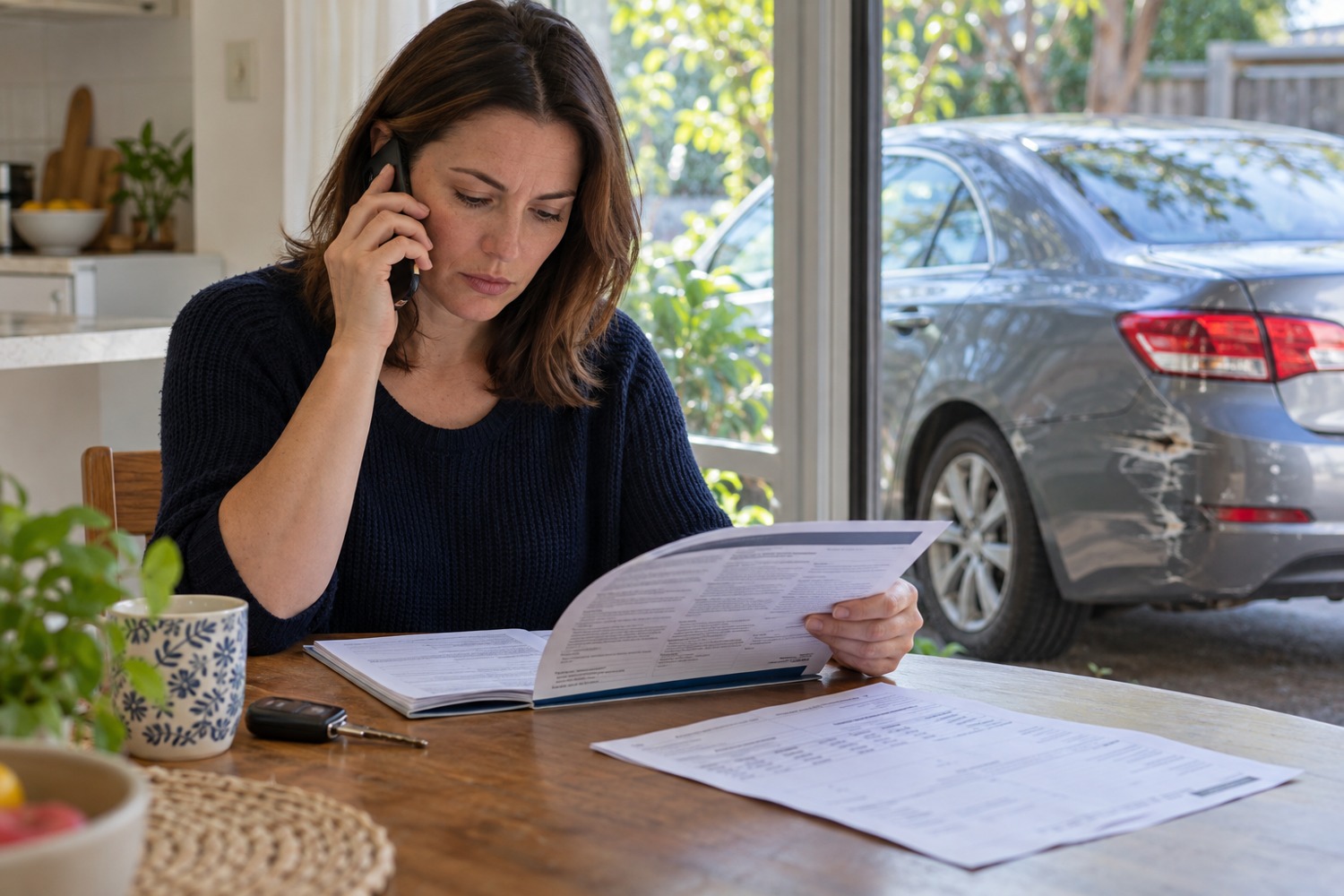
A hire car under your own policy is a benefit you either bought or you did not. No law gives you one.
Some comprehensive policies include a hire car when the crash was not your fault and you can name the other driver. Wider cover, for a claim with nobody else to blame, is often a paid option. On some policies there is nothing unless somebody added it.
Where it is included it carries a limit: a number of days, an amount for each day, or both. The wordings do not promise a car like yours either.
Your position sits in the product disclosure statement, the booklet that came with the policy. Search it for the words hire car and replacement vehicle. If they are not there, the benefit is not either.
Policies also commonly require the insurer to arrange the car, or give written consent first. Book your own, send the bill across, and the benefit can pay nothing. Ring and ask: do I have a hire car on this claim, how long does it run, and who books it?

Where another driver was at fault, a replacement car is not something your own policy hands you. It is a cost you recover from that driver or their insurer.
That gap is why accident replacement and credit hire companies exist. They supply a car with nothing to pay upfront, then chase the at-fault driver’s insurer for the hire charges. The arrangement is legal, and it answers a real problem. Few households can fund weeks of hire and wait to be repaid.
What you sign, though, is a hire agreement in your own name. The Financial Rights Legal Centre, a free community legal centre, sets it out in its factsheet on courtesy cars after an accident. The car is not free. You are hiring it on credit, and the company then pursues the other side for the money. If that recovery falls over, the agreement can leave you paying for the hire. A claim for it is usually run in your name rather than the company’s.
So read it before you sign, at home if you need to.
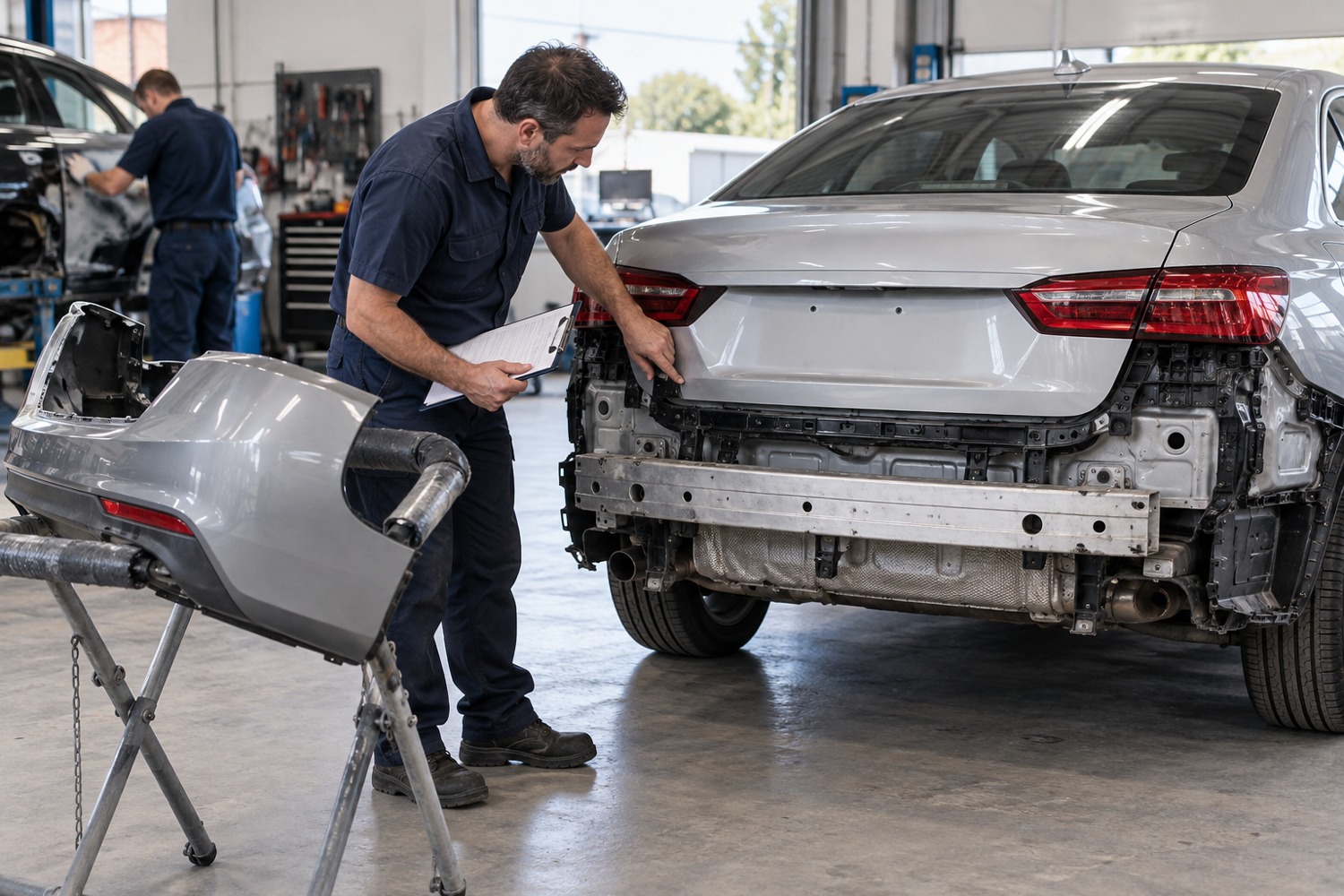
Nobody can promise a date for a car that has not been stripped down yet. Three things stretch a repair. Parts that have to come in, damage that shows once the panels are off, and extra work that has to go back to the insurer for approval.
Two things are in your hands. Ask for an estimate when the car is booked in, and to be told if it moves. There is more on what happens once your insurer approves the repair.
On both insurance routes the period follows the repair rather than a set number of days. The limit in your policy, or the recovery from the other side, caps it from the other end.
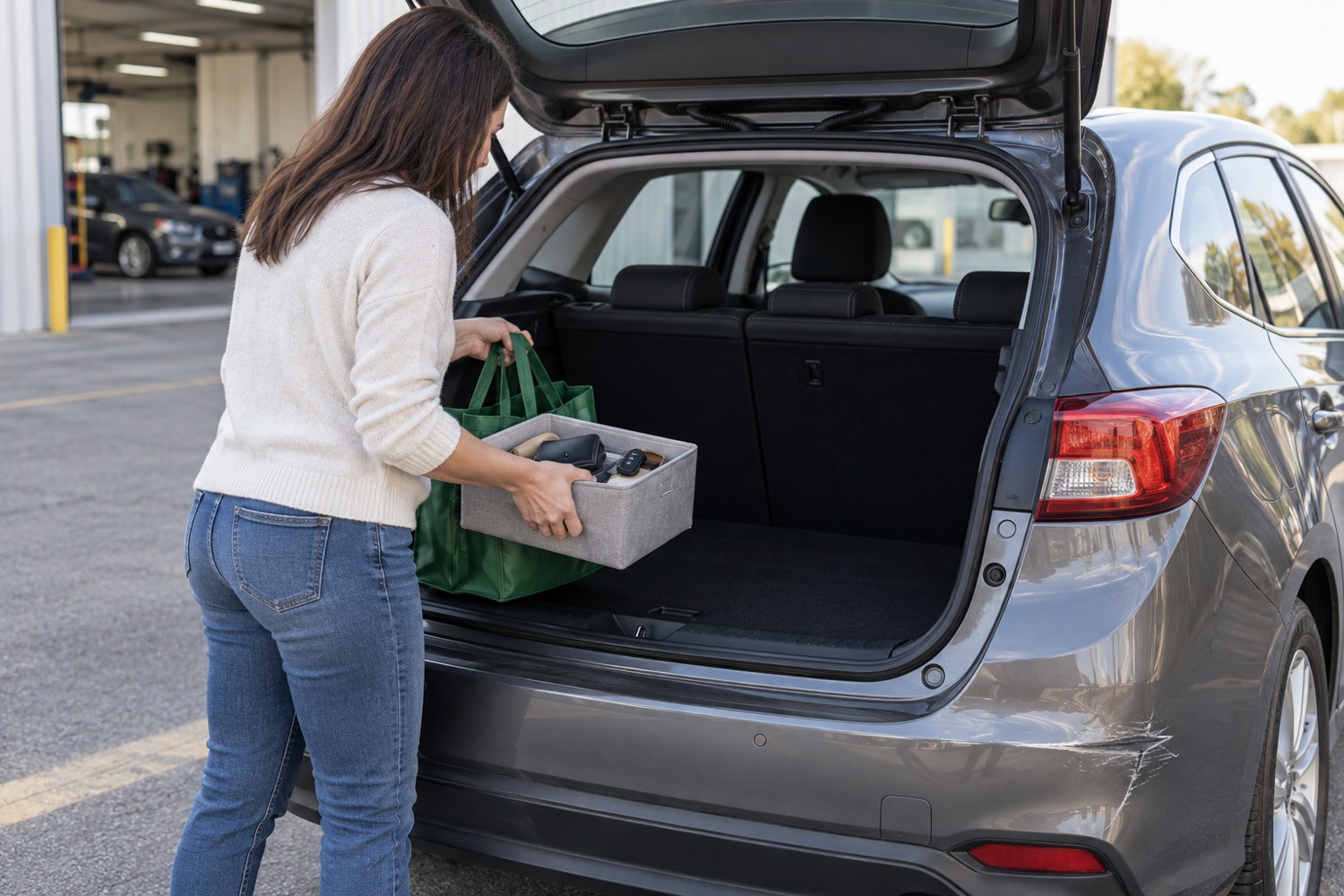
If you do not need a car every day, you may not need one at all. A lift home or to work within the Surrey Hills area, a drop-off at your own mechanic, and a station within walking distance can cover the gap instead.

One question, asked early, settles most of this. When the assessment is booked, ask whether a loan car is likely to be available for your repair dates, and what you will do if not. Then check your policy booklet for the hire car wording, and read any hire agreement before you sign it.
If you are weighing up smash repairs after a crash, that question belongs in the first conversation rather than the last. You can get in touch and ask it today.
Some loan cars take a child seat and some do not, so ask about the fittings before the repair is booked. The Micra hatches named here carry them, which decides whether a parent stays mobile.
Nobody can settle that from outside. It sits in the paperwork for that car, not in your own insurance. Ask before you drive away.
Possibly. A repairer’s own car is not tied to fault, so it comes down to whether one is available when your repair starts. Fault decides the two insurance routes, not whether a workshop has a spare hatch.