A work ute gets clipped in a car park. A van is hit while parked outside a job. A company car comes back with a cracked tail light, scraped bumper and a driver who is not sure whether it is still safe to use.
That is when fleet vehicle repair becomes more than a cosmetic issue. The business needs to know whether the vehicle can keep working, who needs to approve the repair, what photos are needed, and how quickly the damage can be assessed before downtime gets worse.
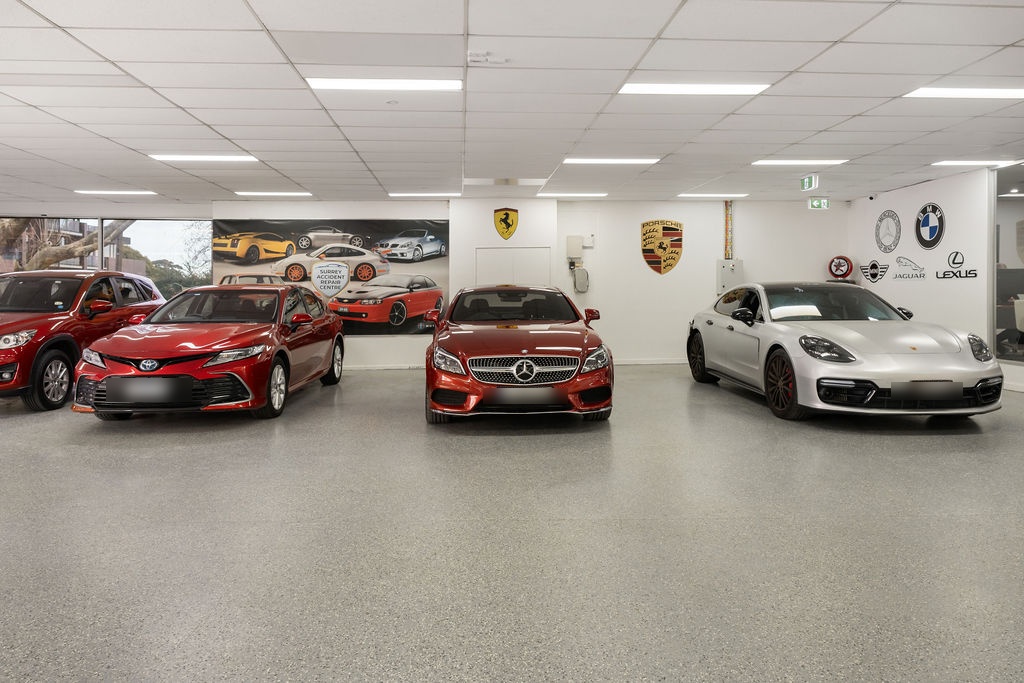
Surrey Accident Repair Centre is an accident repair centre in Surrey Hills handling private, insurance and fleet-related repairs. For a business vehicle, the first step is not always booking the repair straight away. The first step is working out whether the vehicle is safe, documented and going through the right approval path.
When a fleet vehicle is damaged, make the vehicle safe, document the damage, confirm who authorises repairs, and arrange an assessment. Minor cosmetic damage may be booked around the business, but damage affecting lights, panels, doors, wheels, sensors, steering or safety systems should be checked before the vehicle keeps working.
Before calling the repairer, collect the basics:
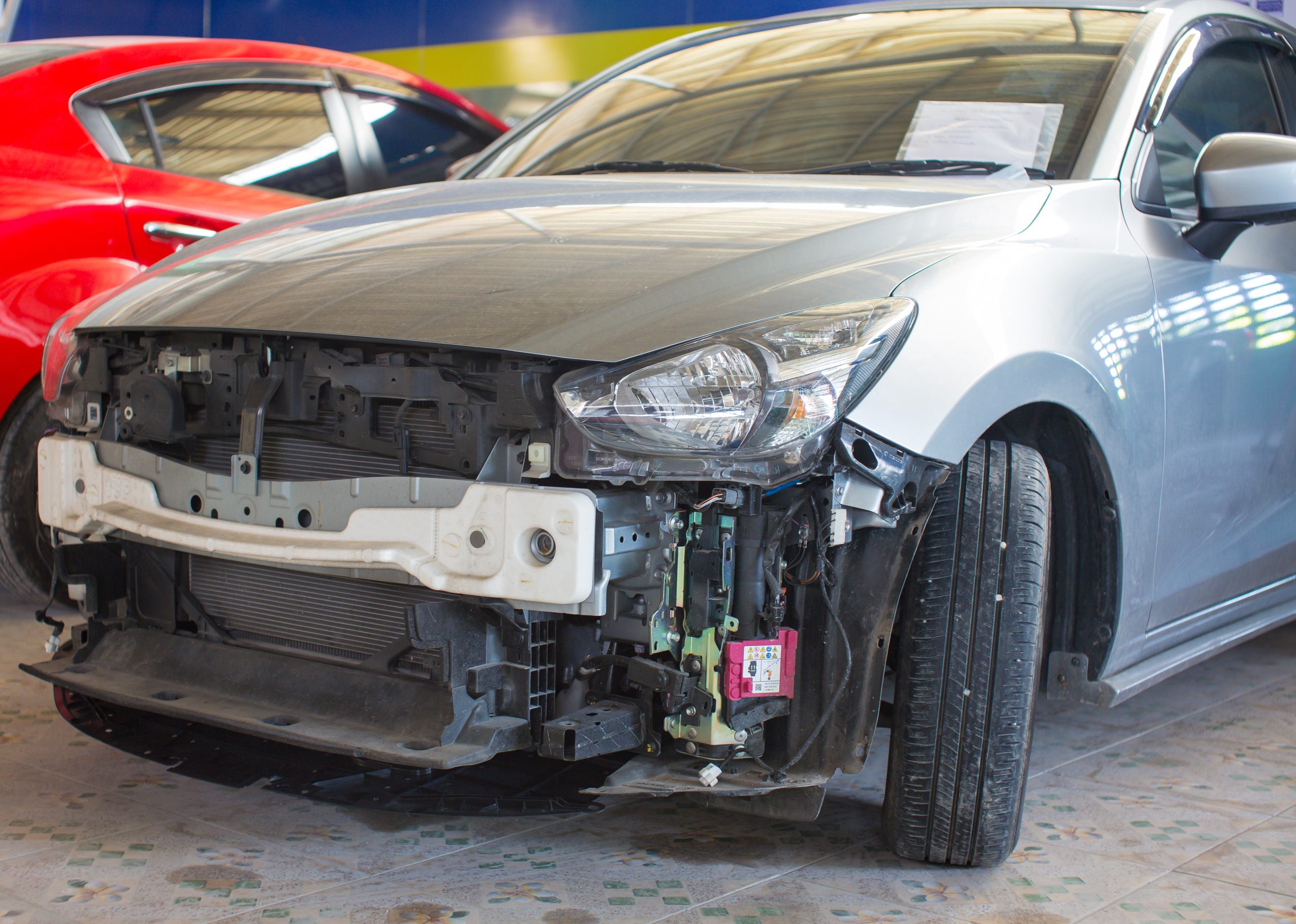
The first step after fleet vehicle damage is triage. That means checking safety, recording what happened, and deciding whether the vehicle should keep being used before an accident repair centre inspects it.
Use this order:
A work vehicle often has a job to get to. That does not mean every damaged vehicle should stay on the road until it becomes convenient to repair it. A cracked light, loose bumper, bent guard, tyre impact or door that does not close properly can turn a small delay into a bigger safety or downtime problem.
A damaged fleet vehicle can sometimes keep working before repairs, but only if the damage is cosmetic and does not affect safe operation. If the impact may have affected lights, wheels, tyres, doors, steering, suspension, sensors or structural areas, the vehicle should be assessed first.
| Damage type | Can it usually keep working? | Why it matters |
|---|---|---|
| Scratched panel with no exposed metal | Often, if the panel is secure | It may be mainly cosmetic, but should still be documented before rust or dispute issues develop. |
| Cracked light | Usually no | Lights and indicators are safety items and should not be ignored. |
| Bent bumper or guard near a wheel | Needs assessment first | The panel may rub on the tyre or move while driving. |
| Door not closing properly | No | A door, lock or latch fault can create a safety and security risk. |
| Wheel or suspension impact | No, unless checked | A wheel hit can affect steering, alignment, tyre condition or suspension parts. |
| Warning light or sensor fault | Needs assessment first | Modern bumpers can house parking sensors, cameras and safety system hardware. |
If there is any doubt, keep the vehicle out of use until it has been checked. A missed job is frustrating. A damaged work vehicle failing on the road is worse.
Fleet smash repairs may need approval from the business owner, fleet manager, insurer, leasing company or internal accounts team. The right approval path depends on how the vehicle is owned, insured and managed.
For a small business, approval may be simple. The owner may send photos, get a quote and authorise private or insurance repairs. For a larger business, the repairer may need a purchase order, claim number, fleet contact or leasing approval before work can move ahead.
Common approval paths include:
This is why documentation matters. Clear photos, vehicle details and approval contacts can save several back-and-forth calls.
A fleet repair quote is easier to prepare when the repairer receives vehicle details, damage photos and approval information at the start. The goal is to help the repairer understand the vehicle, the damage and the business constraint before the assessment.
Send:
Photos are not a full assessment, but they help the repairer prepare. They can also show whether the vehicle should be inspected before it is driven again.
Fleet accident repairs need downtime planning because the repair itself is only one part of the delay. Assessment, approval, parts, panel work, paint, curing time, reassembly and final checks can all affect when the vehicle returns to work.
The biggest downtime issues are often practical:
For work vehicles, the cheapest repair path is not always the best business path. A well-planned booking may reduce disruption more than a rushed drop-off with missing approval details.
Some fleet damage looks minor but can affect safety, security or repair cost if it is ignored. A work vehicle should be checked promptly when the damage affects how the vehicle drives, closes, seals, signals or protects exposed metal.
Lights and indicators. Cracked or loose lights can affect visibility and signalling. This should be dealt with quickly.
Doors, locks and latches. A door that needs to be slammed, does not align or does not lock properly should not be treated as cosmetic damage.
Wheel, tyre or suspension impact. Any impact near a wheel can affect alignment, steering, tyre sidewalls or suspension parts.
Exposed metal and rust risk. Scratches through paint can let moisture reach bare metal, especially if the vehicle is used daily in wet conditions.
Sensors, cameras and bumper mounts. Modern bumpers can carry parking sensors, cameras and safety system parts. A bumper that looks only slightly out of place may still need checking.
Water leaks after impact. A damaged seal, tailgate, door or boot area can let water into the vehicle and damage interior trims, tools or cargo.
When contacting Surrey Accident Repair Centre about a work vehicle, be clear that the vehicle is part of a fleet or business operation. This helps the repairer understand the approval path, downtime issue and whether the vehicle needs quick assessment before it keeps working.
"This is a work vehicle. It is used for [job/use], the damage is [location], and we need to know if it is safe to keep using and what approval details you need."
It also helps to say whether the vehicle is a ute, van, company car or delivery vehicle. A replacement hatchback may help some drivers stay mobile, but it may not replace a trade vehicle carrying tools, parts or stock.
A fleet vehicle can often be repaired through insurance if the policy covers the damage and the claim is accepted. The insurer may need photos, a claim number, excess details and repair approval before insurer-funded work begins.
If the vehicle is leased or managed by a fleet company, the business may also need to follow the leasing or fleet provider's repair process. The repairer can help with quote and repair information, but the approval path should be confirmed with the insurer, fleet manager or leasing contact.
A work vehicle may be able to stay on the road with minor cosmetic panel damage, but not all panel damage is harmless. Damage near a wheel, light, door, bumper mount, sensor, sharp edge or structural area should be assessed before the vehicle keeps working.
A scratched door skin and a bent door are not the same problem. A marked bumper and a loose bumper are not the same problem. If the vehicle's safety, sealing, lighting or steering may be affected, it should be checked.
The best photos for a fleet smash repair quote show the whole vehicle, the damaged area and the parts around the impact. Send both wide and close-up photos so the repairer can understand where the damage sits on the vehicle.
Take:
Good photos do not replace an in-person assessment, but they help the repairer work out the likely next step.
A business can reduce fleet repair downtime by documenting damage early, sending complete information, confirming the approval contact and booking assessment before the vehicle becomes a bigger problem.
The most useful steps are simple:
The aim is not just to repair the panel. It is to get the vehicle assessed, approved, repaired and back into service without avoidable delays.
A damaged fleet vehicle should be treated as an operational issue, not just a paint and panel issue. The right next step depends on safety, approval, documentation and downtime.
If a work car, van or ute has been damaged, gather the photos and vehicle details first. Then contact Surrey Accident Repair Centre with the registration, damage location, claim details if available, and the person who can approve the repair. That gives the repairer the best chance of helping you plan the repair without adding more downtime than necessary.