The insurer has said yes. The claim number is active. The car is either still sitting in the driveway, already at a workshop, or waiting to be towed. This is the point where many drivers expect everything to move quickly, then realise there are still a few steps before the repair begins.
After insurance approval, an accident repair centre confirms the approved repair scope, books the vehicle, checks whether it can be driven or needs towing, orders parts, strips the damaged area, looks for hidden damage, repairs or replaces panels, prepares and matches the paint, reassembles the car, and completes final checks before handover.
For drivers using Surrey Accident Repair Centre in Surrey Hills, this is also when practical details are sorted out, including insurer coordination, towing if needed, loan car options, and the timing of drop-off or pickup.
Insurance approval means the insurer has accepted the repair quote or authorised the next repair step under the claim. It does not always mean every damaged part has already been found.
The first assessment is often based on visible damage. A bumper, guard, light, or boot lid may look like the main problem. Once parts come off, the repairer may find cracked brackets, broken clips, damaged supports, sensor issues, or panel damage that was hidden behind the outer surface.
If extra damage is found, the repairer may need to send more information to the insurer before that additional work can continue. This is usually called a supplement.
For the owner, approval usually means:
It is a major step forward, but it is not always the final word on timing.
The first step is booking the repair around the approved scope, the workshop schedule, and the condition of the car. A car that is safe to drive may be booked in for a later date. A car with structural, lighting, wheel, suspension, or safety-system damage may need towing instead.
A repairer will usually want to know:
For people around Surrey Hills, Box Hill, Burwood, and Blackburn, the boring logistics can matter as much as the repair itself. Drop-off time, transport home, school pickup, work travel, and loan car availability all affect how smoothly the repair begins.

An insurance repair moves through a sequence. Some stages are quick. Others depend on insurer responses, parts availability, and what is found after strip-down.
| Repair stage | What the customer sees | What the workshop is doing |
|---|---|---|
| Booking | A repair date is confirmed | Checking the approval, claim details, parts needs, and loan car options |
| Vehicle arrival | The car is dropped off or towed in | Recording condition, damage, insurer details, and repair notes |
| Strip-down | Damaged parts may be removed | Looking for hidden damage behind panels, bumpers, lights, and brackets |
| Extra approval if needed | The timeline may pause | Sending photos and repair details to the insurer for authorisation |
| Parts | Some waiting may occur | Ordering approved parts and checking fitment requirements |
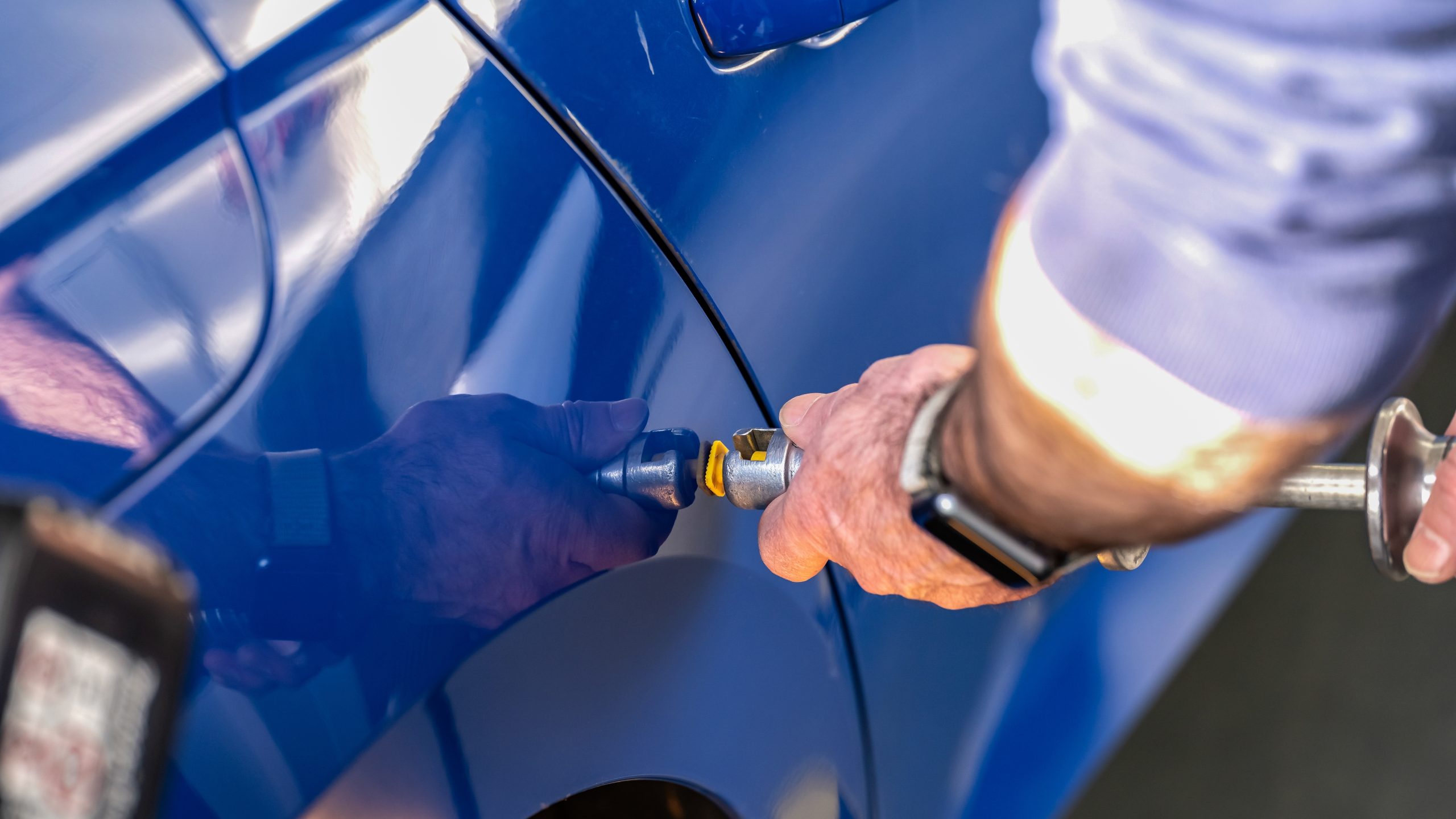
| Panel repair | The damaged area is repaired or replaced | Restoring panel shape, structure, gaps, and fit |
| Paint preparation | The car is masked and prepared | Sanding, priming, colour matching, and planning blend areas |
| Paint and blend | The finish is restored | Matching the repaired area to surrounding panels |
| Reassembly | The car starts to look finished | Refitting trims, lamps, sensors, mouldings, and hardware |
| Final checks | The car is prepared for return | Checking fit, finish, operation, cleanliness, and handover condition |
A repair timeline can change because crash damage often travels behind the panel you can see. The outer bumper may spring partly back into shape, while the brackets, clips, reinforcements, or sensors behind it are damaged.
Hidden damage is commonly found around:
A repairer should not simply paint over visible damage if the structure behind it is not right. If the insurer needs to approve extra parts or labour, the repair may pause until that approval comes through.
A realistic completion estimate is often easier after strip-down than before it.
Parts delays can affect the repair even after the insurer has approved the job. A missing light, grille, bumper, guard, moulding, badge, bracket, or sensor mount can hold up reassembly.
Some work can start while parts are on order. Other work needs the correct parts first, especially if panel alignment, paint blending, or sensor placement depends on the replacement part.
The useful question for the owner is not only 'when will the car be ready?' A better question is:
'Are we waiting on parts, insurer approval, or workshop time?'
That answer usually gives a clearer picture of where the job is up to.
Paint matching is the process of making the repaired area sit naturally beside the rest of the vehicle. The factory paint code is only the starting point.
The colour on the car may have changed slightly with age, sunlight, previous repairs, or normal wear. Metallic and pearl colours can also look different depending on the angle and light.
A repairer may need to blend colour into nearby panels so the finished repair does not stand out. This is part of why paint work involves preparation, colour checking, controlled application, drying, and final inspection.
Surrey Accident Repair Centre uses water-based paint systems and low-bake enamel, which fits the type of finish work expected in modern panel and paint repair.
Once the claim is approved, the best questions are practical. They should help you understand timing, transport, and what could still change.
Ask:
These questions do not require technical knowledge. They help make the repair process clearer before the car is off the road.
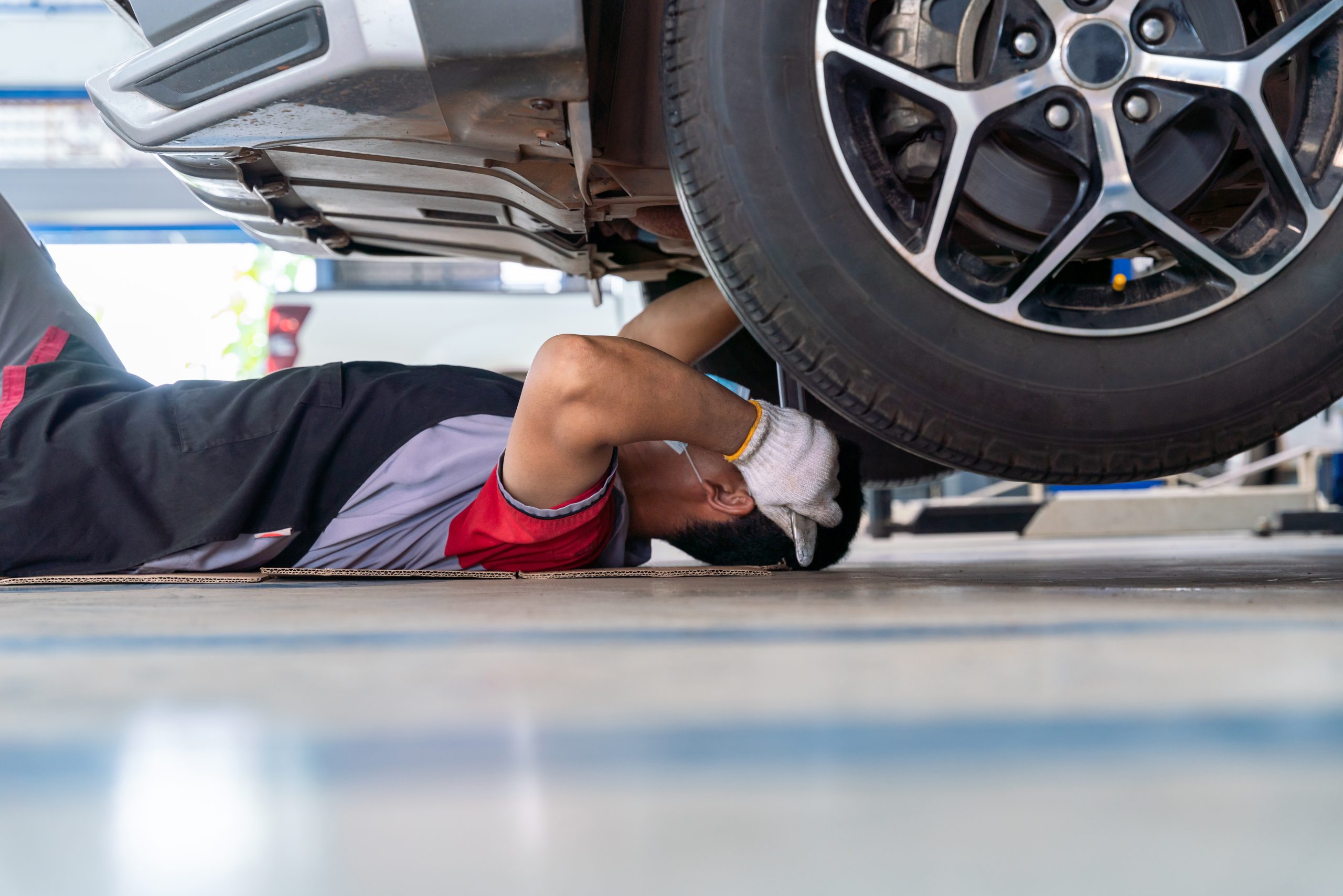
Handover happens after the repair, paint, reassembly, and final checks are complete. The owner should be able to see what was repaired, understand whether anything changed after strip-down, and collect the car in a clean condition.
Before return, the workshop checks the repair Surrey Accident Repair Centre ed area, panel fit, paint finish, lights, trims, and visible operation of the repaired components. Surrey Accident Repair Centre also returns vehicles washed and vacuumed, which makes it easier for the owner to inspect the work.
At pickup, it is reasonable to ask:
That is not being difficult. It is part of understanding what happened to the car.
If the insurer has approved the repair, the next step is to get the booking, transport, and loan car details organised before timing becomes harder.
Have your claim number, insurer details, vehicle location, and photos ready if you have them. If the car cannot be driven, say that early so towing can be discussed.
Surrey Accident Repair Centre can help organise the repair booking, insurer coordination, towing where needed, and loan car options for approved accident repairs in Surrey Hills and nearby suburbs.