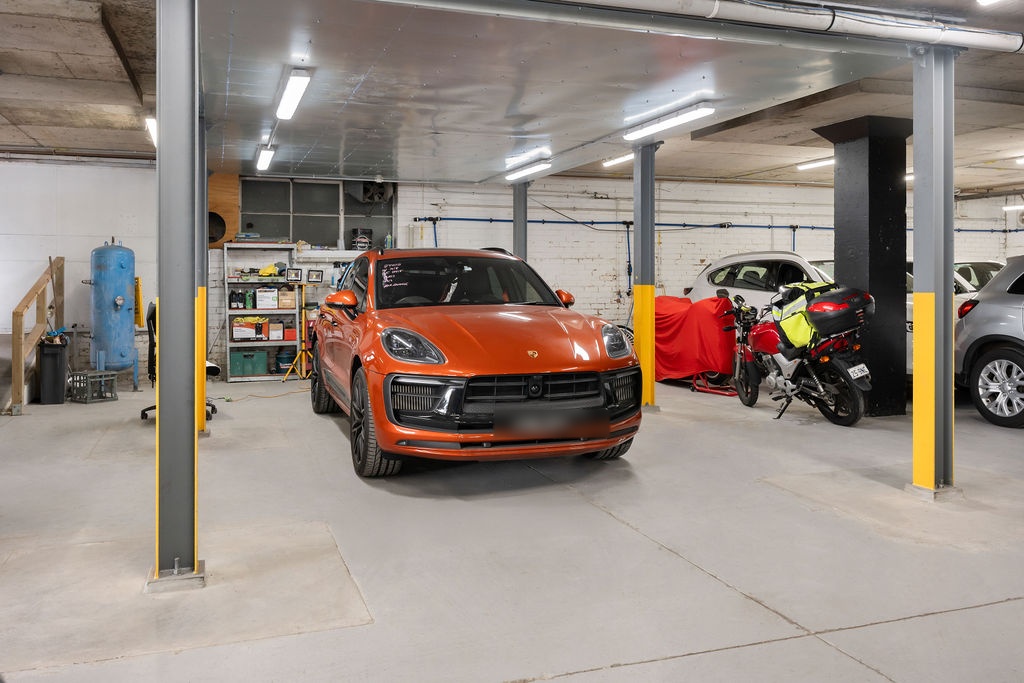
A car is written off when the cost of repairing it safely comes to more than the car is worth. It is also written off when the damage means it could never be made safe to drive again. It is a judgement against what the car was worth on the day of the crash, not a fixed level of damage. That is why two cars with the same crumpled panel can get different answers.
Someone has told you the car is with an assessor, and nobody has explained what that means. It is not a verdict on how bad the crash was. It is a sum with three parts. What the repair would cost, what the car was worth just before the crash, and what the wreck would fetch as salvage, meaning its value as parts or scrap. Around Melbourne’s eastern suburbs plenty of households keep a second car, or hold the family car for ten years or more. On a car like that, the answer arrives much sooner than the owner expects.
If the damage came from a storm rather than a collision, hail damage claims work a little differently, and they have a separate guide.

Your insurer decides. Not the repairer.
The repairer works out what the repair would take and puts a price on it. The insurer, usually acting on the advice of an assessor it appoints, weighs that quote against what the car is worth. The Australian Financial Complaints Authority takes the same view: an assessor is generally the right person to judge whether a vehicle is repaired or written off.
The order runs like this. The car is inspected, at a repairer or an assessment centre. A repair quote is prepared. The assessor sets the cost of that repair, plus the salvage value, against the value of the car under your policy. Then the decision comes back to you.
A repairer can write a quote and revise one. It cannot declare your car a write-off, and it cannot stop one.

Both mean the insurer has treated the car as a total loss. They differ in whether the car can ever go back on the road.
A repairable write-off has been assessed as a total loss, but the damage is not severe enough to fall into the more serious category. It can be registered again in Victoria once it has been properly repaired. It also has to pass the checks the state requires, which are a vehicle identity validation certificate and a certificate of roadworthiness.
A statutory write-off cannot be registered again. Transport Victoria states that one written off after 1 May 2002 can never be registered. It can only be used for parts or recycling.
Ask which of the two you are dealing with, because it decides whether the car has a future at all.
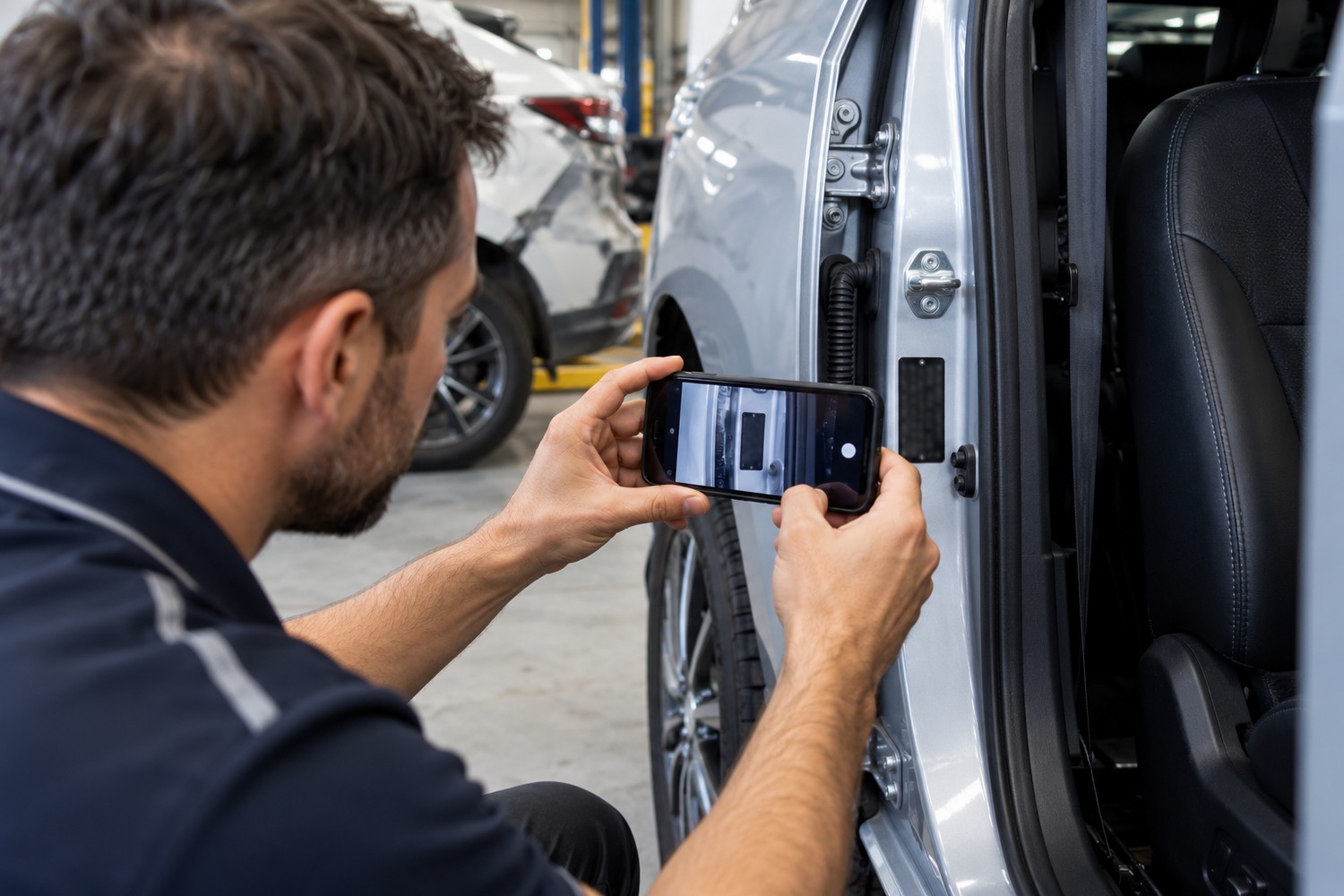
It is the official record of vehicles that have been written off, and it stays with the car.
In Victoria it covers light vehicles and motorcycles less than fifteen years old, up to and including 4.5 tonnes gross vehicle mass. That is the loaded weight limit for a vehicle, which takes in most cars and utes. An insurer, self-insurer, car recycler or wrecker, or licensed car trader has to report a written-off vehicle to it.
The part few owners are told at the time is that the entry does not come off. Transport Victoria says it cannot be removed once your insurer has determined the vehicle is a write-off. That holds even if you withdraw your claim. The record follows the car rather than you. It shows up on a Personal Property Securities Register check, the national search a careful buyer runs before buying.
It matters if you ever sell. Victoria’s Road Safety (Vehicles) Regulations 2021 require a seller to tell the buyer in writing whether the vehicle is on the Victorian or an interstate written-off vehicles register. Regulation 104 applies to a person selling the vehicle, including a private seller.
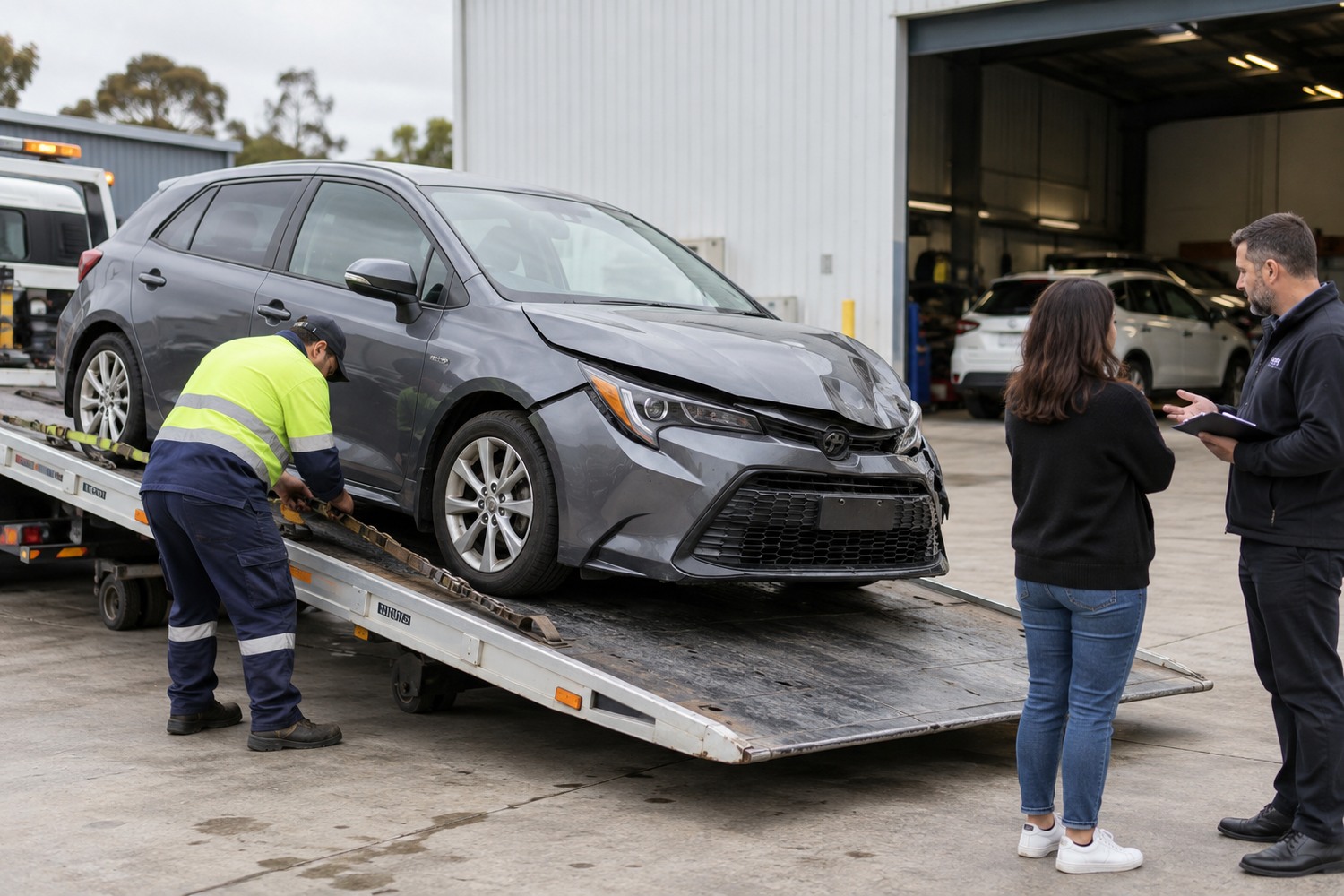
The insurer usually takes ownership of the vehicle and pays you a settlement instead of repairing it.
What you are paid depends on how your policy is written. An agreed value is a fixed amount you and your insurer set when the policy was taken out. It can be reduced at each renewal. A market value is what the car would have sold for immediately before the crash. Your excess comes off either one. The product disclosure statement settles which basis applies to you.
Market value is where most of the disappointment sits. ASIC’s Moneysmart puts it plainly. Market value is decided by your insurer using industry information. It is not the amount you think you could sell the car for. Those two numbers are often some distance apart.
Some policies let the owner buy the wreck back, with the price taken off the settlement. Ask whether yours is one of them.
Not every assessment ends this way. Where the car is being repaired instead, what happens once your insurer approves repairs runs to a different sequence.

You can ask the insurer to look again. There is a formal path if that does not settle it. Nobody can tell you in advance whether it will change the answer.
It helps to know which half of the sum you are arguing about.
If the answer still does not sit right, make a formal complaint to the insurer rather than another call to the claims team. The General Insurance Code of Practice, which insurers who have adopted it follow, says they will decide a complaint within 30 calendar days. Where they cannot, they will write before that deadline with the reasons and your right to take it further.
Further means the Australian Financial Complaints Authority, the independent scheme insurers must belong to. Under the Code you can go there at any time, and where a complaint is unresolved after 30 calendar days. Its published approach to these disputes asks whether the insurer used its discretion fairly. Repairing a car rather than writing it off is generally fair where that is both safe and economical. The economic half of that weighs the car’s value against the repair cost plus salvage.
None of that is a promise. Some go the owner’s way and some do not.
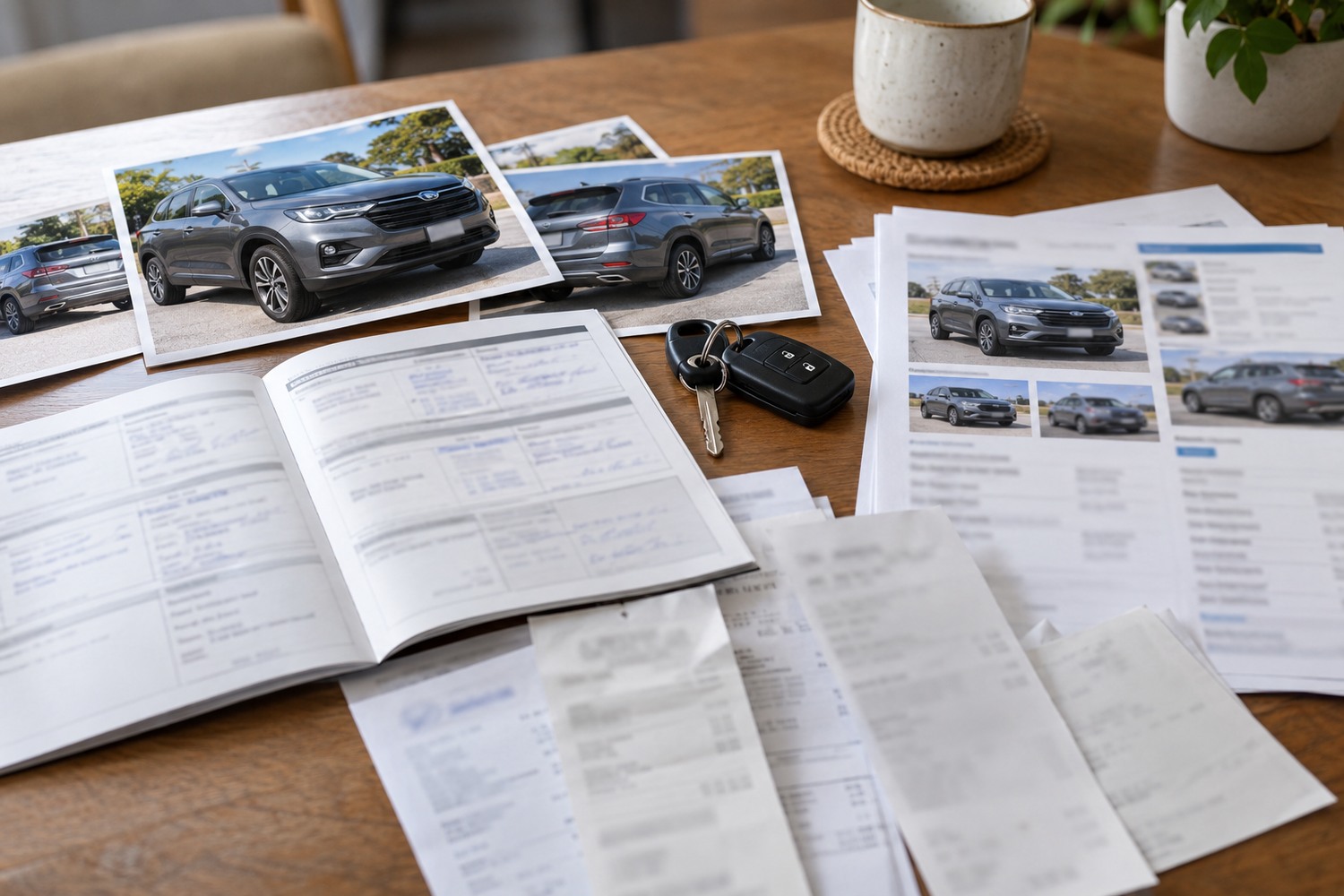
Build the case around what the car was worth, not around how the crash felt.
The complaints authority asks an owner what they say the car was worth, and for the information behind that figure. This is what that evidence usually looks like. It is worth gathering even if you never get that far.
Set out plainly and in one place, that is a stronger position than a phone call. It also tells you honestly whether you have a case.

Back where this started: you are waiting on a number. Two things are worth doing first. Get an independent repair quote in writing from a shop you chose, and ask for a copy of the assessor’s report. Together they tell you whether the sum was worked out on figures you recognise.
When you ring your insurer, one question does most of the work.
“Has the car come back as a repairable or a statutory write-off, and what value is the settlement figure based on?”
For smash repairs, call Surrey Accident Repair Centre to arrange a quote appointment. Get in touch with your claim number and the make, model and year.
It means your insurer has decided the car is not worth repairing, or cannot be made safe again, and will pay you out rather than fix it. The vehicle itself usually becomes the insurer’s property once that happens.
There is no set amount of damage. The same knock can write off one car and not another, because the test compares the repair bill against what that particular car was worth. An older car with a lower value reaches that point on a much smaller repair.
You can. Ask your insurer to reconsider, make a formal complaint if that does not resolve it, then go to the external scheme if the complaint does not either. Whether it changes anything depends on the evidence you can put behind it.