You have just picked the car up, or you are about to. The panel looks better than it has in years. Somewhere on your phone there is a quote from a detailer. The question in your head is whether you can book it in this week.
Paint protection timing depends on the paint and the product going over it. There is no rule that every coating must wait until after collection, or that every product can go on straight away. Ask the repairer for the paint details. Have the installer check those against the chosen coating or film maker’s instructions before booking.
Car painting and paint protection are separate jobs. The first leaves a repaired finish. The second adds a product to that finish. Being ready for one use does not establish that the surface meets every product’s application rules.
It is wrong to say every ceramic coating traps solvent. One coating manufacturer’s Australian FAQ says its coatings let gas pass through and do not stop solvent leaving the paint. That finding matters because it rules out a blanket explanation for all coatings. It is not permission to put any product on any new repair.
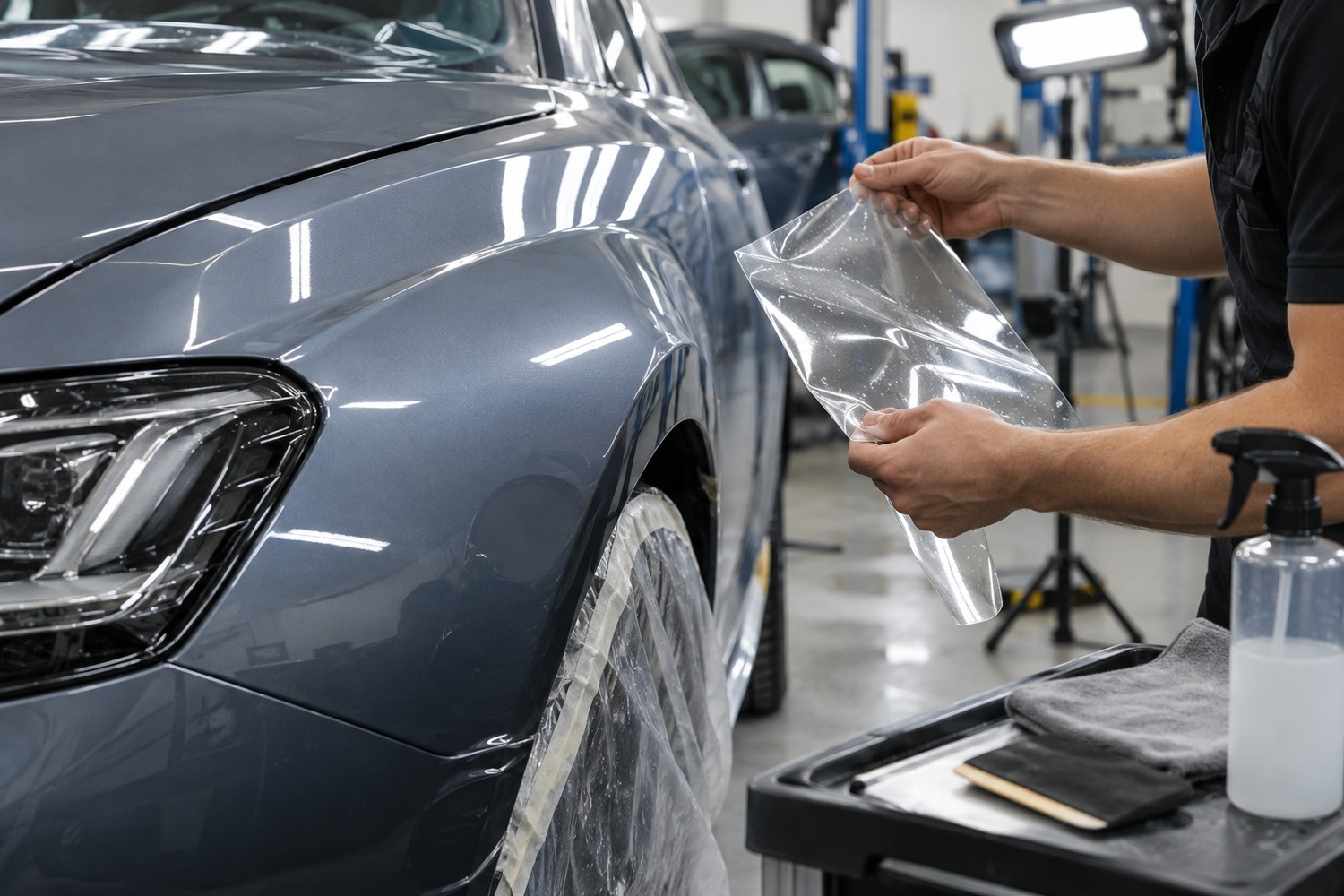
Adhesive film needs its own check. A paint protection film manufacturer’s instructional bulletin for its clear film calls for cured paint and warns that retained solvent can affect adhesion. A coating maker’s guidance cannot be transferred to a film simply because both are sold as paint protection.
Treat the collection date as a diary entry, not an application instruction. Do not assume the finish is uncured when it leaves the workshop, and do not assume it suits the installer’s next step just because it looks finished.

There is no single figure that covers every respray and every ceramic product. Start with the named coating’s current instructions, then check whether the paint maker places any further conditions on applying it. A coating recommendation on its own does not identify the paint on your car.
Ask the shop which paint system was used and what drying or curing process it went through. Pass that information to the installer. If the two sets of directions leave a gap, have the repairer and installer clarify it before the appointment. Do not book against the shortest number you find online.
A coating and a film are different products, and which one is worth the money is a separate question. Comparing paint protection film with ceramic coating answers that one. This article is about when either one can go on.
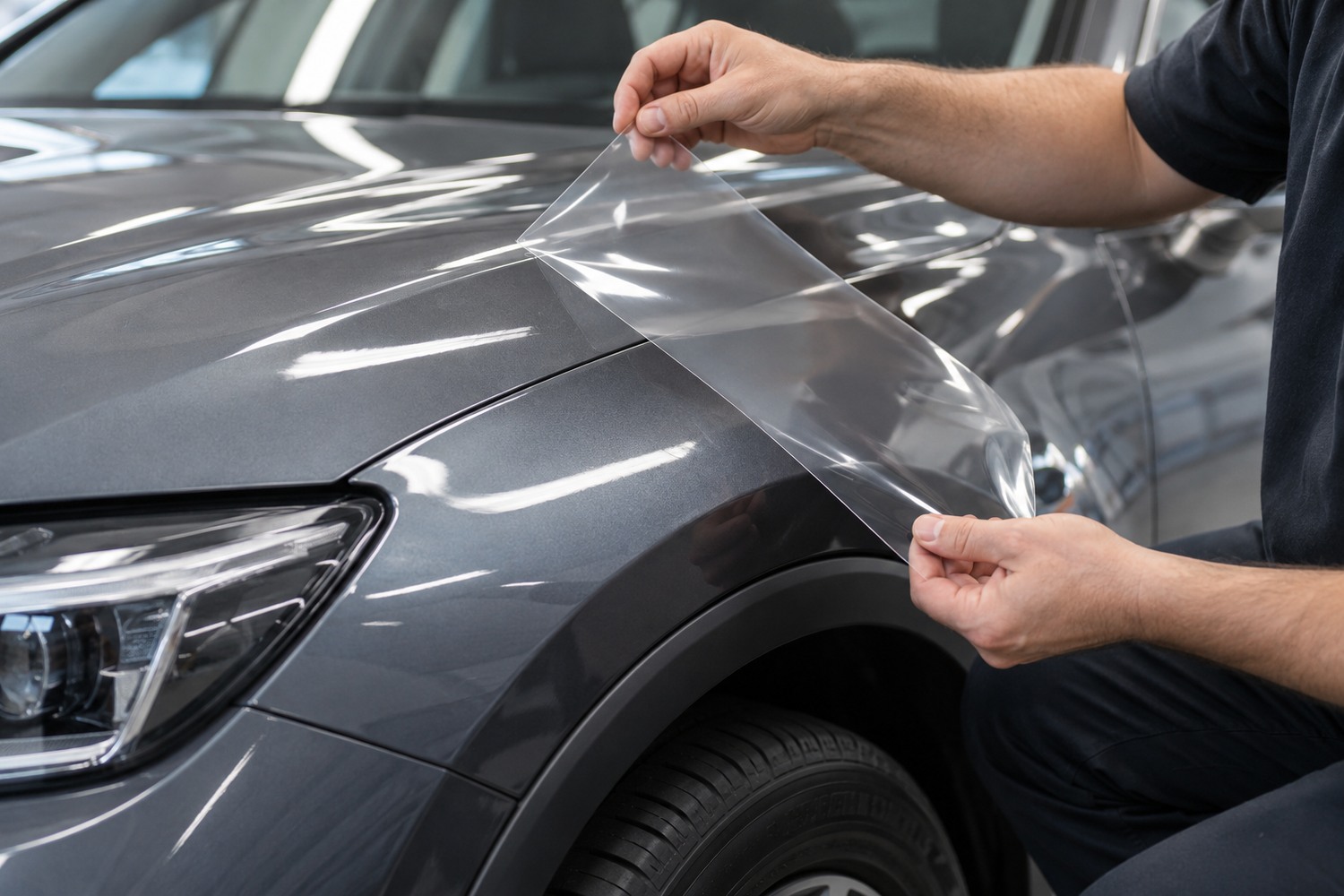
Film is a clear sheet laid over the panel and held on by adhesive. A ceramic coating is a liquid that bonds to the clear coat and becomes part of the surface. Owners often treat the two as one decision. On timing, they are not.
Check the instructions for the film being fitted, rather than using a ceramic coating’s timetable. That film manufacturer’s guidance links trapped solvent with adhesion problems and blistering. It tells installers to follow the paint manufacturer’s drying instructions. That is a requirement for the paint system, not a fixed number of days after collecting the car.
Ask about removal as well as fitting. Do not treat a cured repaint as a promise that adhesive film can never lift paint. Have the installer assess the repaired surface and explain what their product warranty covers on a repaint before you agree to the work.
No single waiting period is given here for either product. This is a booking check for your repair, not a substitute for the paint and protection manufacturers’ instructions.
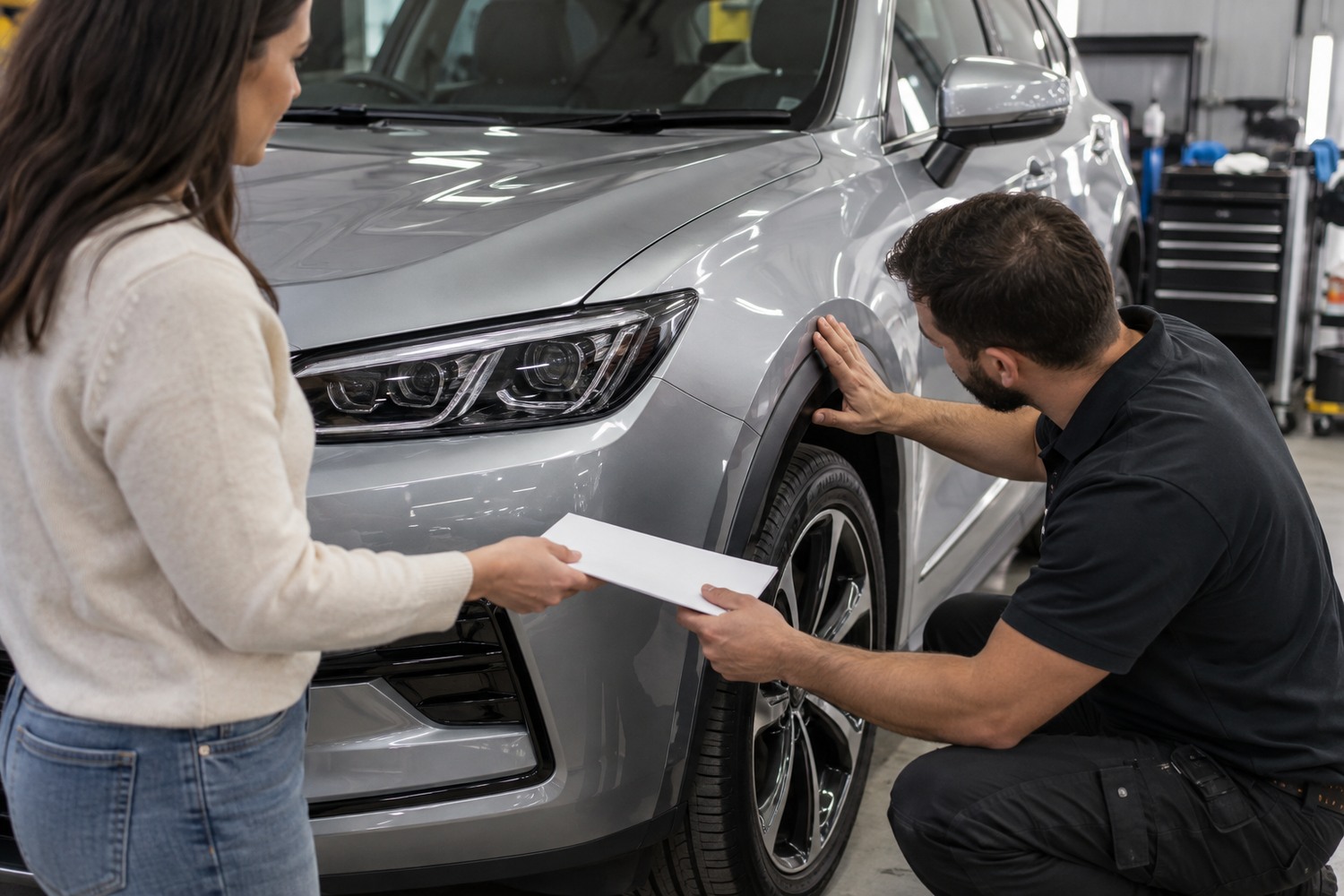
Tell the person fitting the coating or film which panels were repaired. Do not leave them to infer that from the finish. Give them the repair details before they quote or reserve a day.
Three things matter, and they take a minute to pass on.
Keep the answers with the booking so neither business has to work from a message passed on from memory. If the panel came out of a smash repair, contact the shop for the repair details before the appointment. Tell the installer if a detail is still unconfirmed.
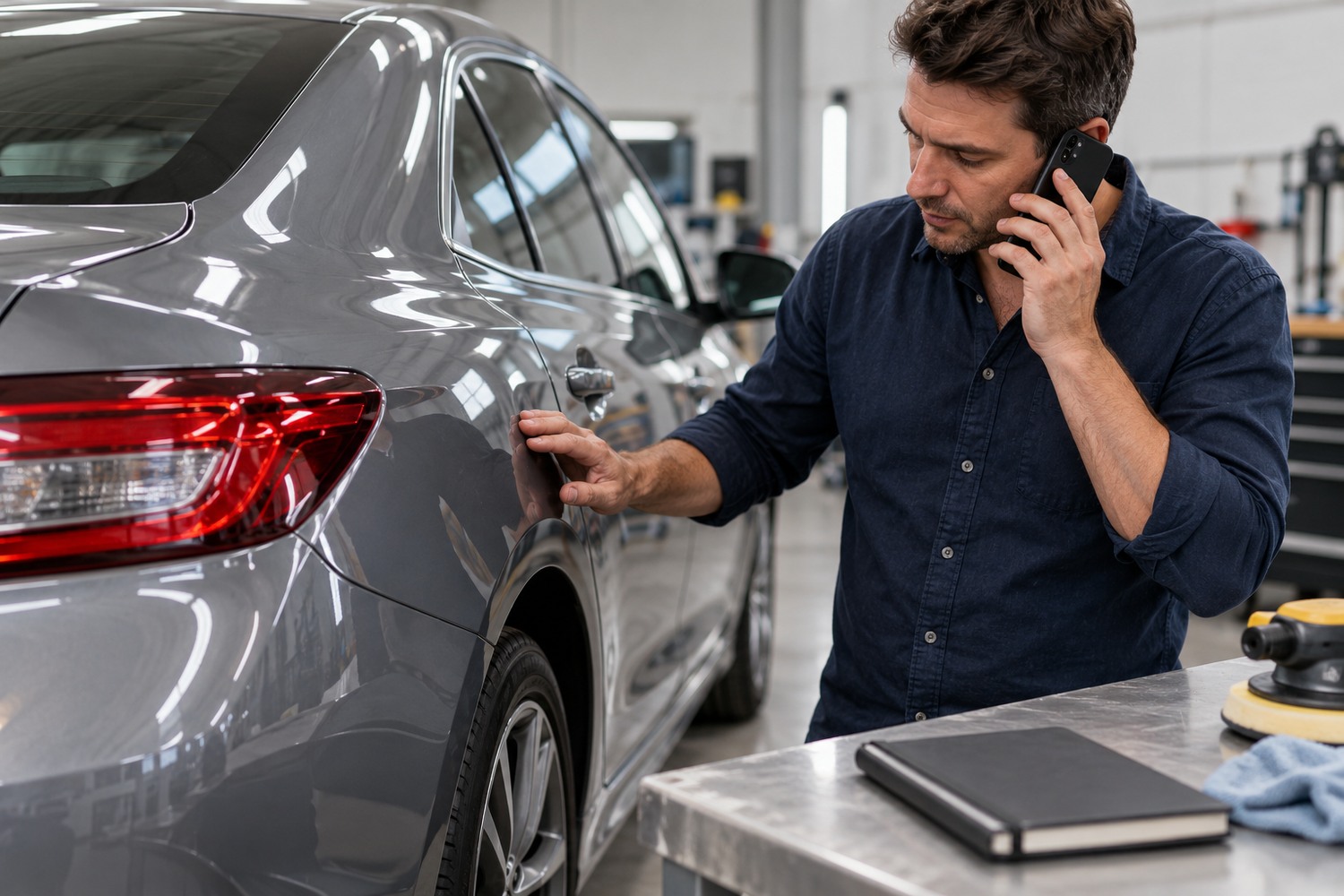
Before confirming the booking, ask the repairer for the paint system and any restrictions on the product you plan to use. Give the installer the product name, not just the word protection. Ask them to confirm the timing against that information.
Follow the repairer’s aftercare instructions while the booking is being checked. Ask before adding wax, sealant or polish. If the car sits under street trees in Melbourne’s eastern suburbs, ask how to deal with sap or bird droppings on the repaired panels. Keep washing advice separate from permission to fit a coating or film.
For a repair carried out by Surrey Accident Repair Centre, ask the team for the details of your job. Arrange the protection work with a separate installer. This article does not promise an application date or a protection service from Surrey.
Get in touch with your job or claim number and the date you collected the car.
Do not decide from the collection date alone. Check the chosen coating’s instructions against the paint used on the repaired panels, and agree the timing with the repairer and installer.
Ask for the paint maker’s requirements and the repair record. Appearance alone does not show whether those requirements have been met or whether the chosen protection product is suitable.
Have the installer check the repaint and the film’s requirements first. Curing matters, but it is not a guarantee against every fitting or removal problem. Ask what is covered before agreeing.