How to Spot a Smash Repairer Who Won’t Cut Corners 

There are hundreds of smash repairers in Melbourne.
Some get the job done right. Others just get the job done.

To most drivers, the paint looks fine on pick-up day. But a good finish doesn’t mean it was a good repair. If you want the work to last, and the car to hold its value, it pays to know how to pick a repairer who won't cut corners.

They don’t rush panel prep

The surface under the paint is more important than the paint itself. If it isn’t smooth and straight, even a perfect colour match will show up as waves or light distortion.
Signs they do the job properly:
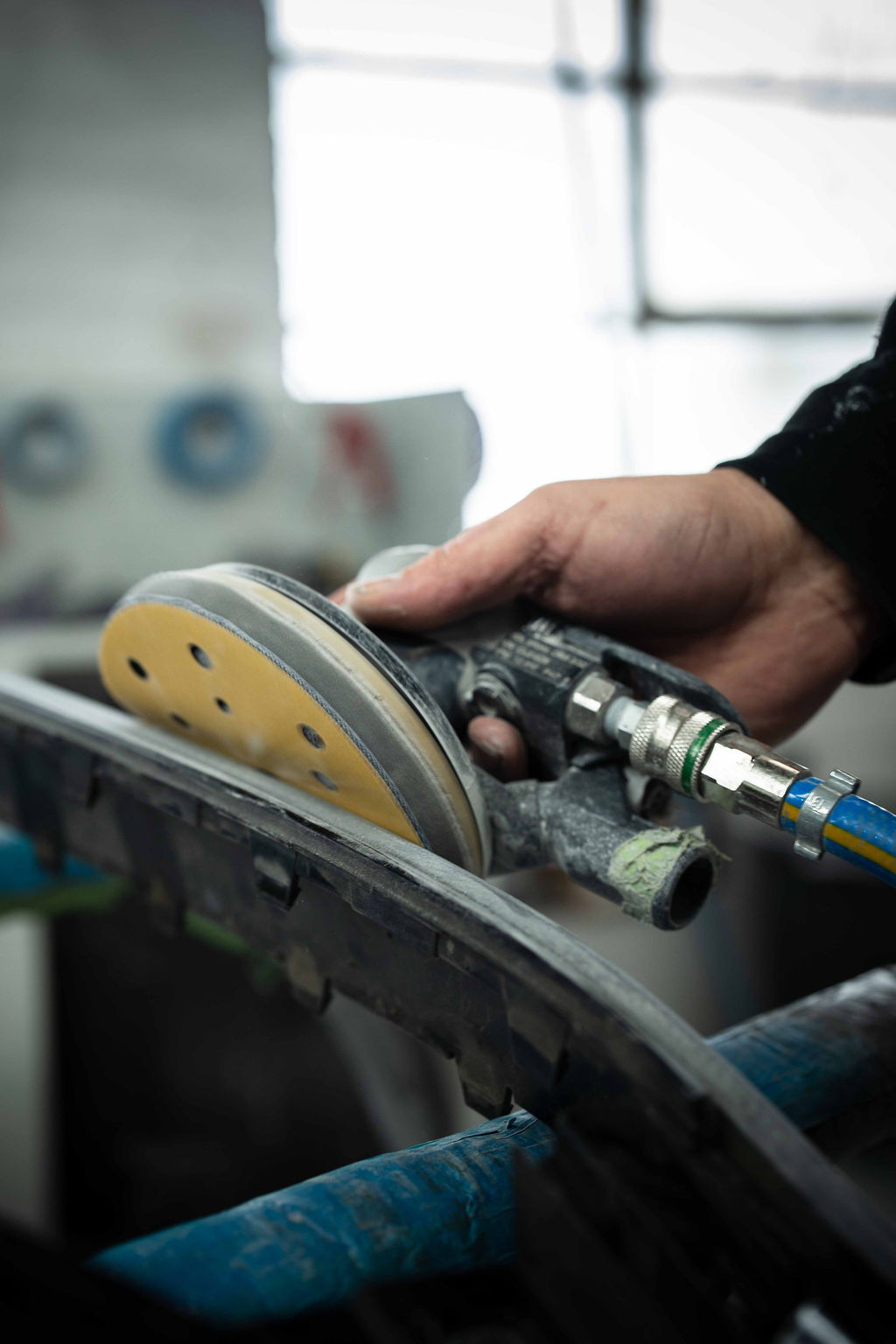
Panels are removed and worked on off the car
Body lines are aligned with surrounding panels
Repairs are done before paint, not hidden under it
Curves reflect straight lines under bright light
You can’t feel filler or dips by running a hand over it
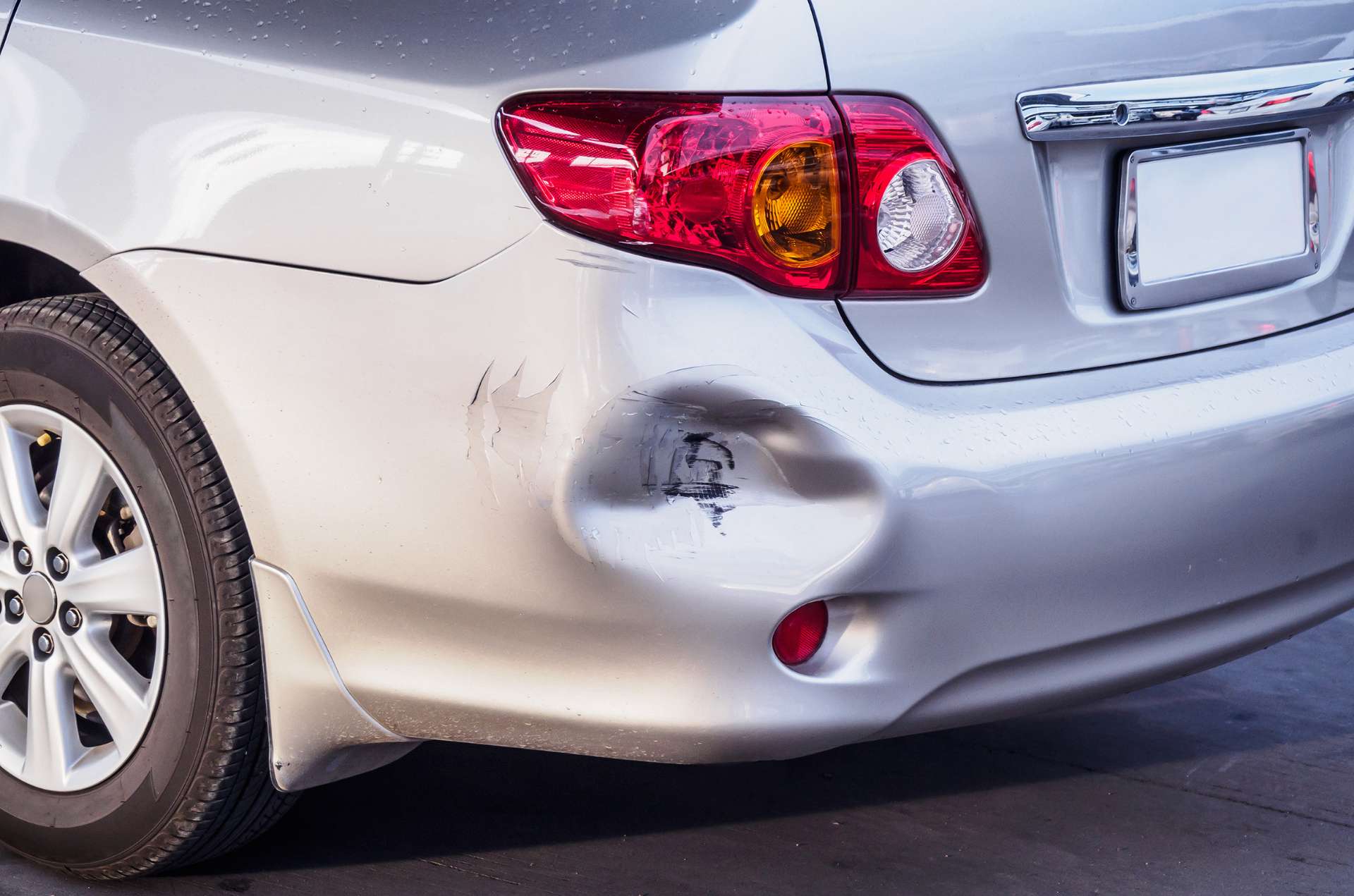
A poor shop will sand and spray over a dent to save time. The job looks okay under workshop lights. In sunlight, you’ll see the flaws.

Their colour match starts before the booth

Paint isn’t one colour per model. Every car comes out of the factory with slight batch differences. Even new paint using the right code can look off if it’s not matched correctly.
Surrey Accident’s booths maintain:
  • Mixes paint in a controlled room
  • Uses test panels to check colour in daylight
  • Adjusts metallics and tint strength manually
  • Measures colour using digital tools
  • Accounts for gloss levels on surrounding panels
Shops that skip these steps often return cars with panels that look “close” until you park next to another car.

They blend properly, or they don’t paint

Blending is not the same as overspray. A proper blend requires skill, space and time.
You’ll know a repair has been blended right if:
  • The colour flows gradually into the next panel
  • You can’t see a hard edge between old and new paint
  • Gloss is even across curves and panel joins
  • There’s no texture mismatch between panels
  • Transitions hold up under sunlight from all angles
Bad blends leave rings, dull patches or sharp lines under the clear coat. Once you see them, you can’t unsee them.

Their booth is clean, sealed and set right

A good spray booth is temperature controlled, filtered and consistent. That’s how paint lays flat, cures evenly and resists fading over time.

What a real booth setup looks like:
Booth Feature
  • Filtered air intake
  • Stable temperature
  • Humidity control
  • Controlled airflow
  • Full extraction system
What It Prevents
  • Dust nibs in the paint
  • Solvent boil and gloss dieback
  • Blistering and patchiness
  • Overspray and uneven finish
  • Contamination during curing
Ask to see the booth. If it looks like a garage with a roller door and a fan, don’t leave your car there.

They don’t skip curing

Most issues with paint appear weeks after the job. That’s when poor curing shows itself.
Things that happen when the repairer rushes:
  • Dull patches from undercooked clear coat
  • Cracks from overheating too fast
  • Gloss that fades within a season
  • Shrinkage along filler joins
Shops that take curing seriously use bake cycles tailored to the paint type. They monitor gloss after cooling. And they don’t let you pick up the car until it’s fully hardened.

They inspect with hands and light

The final check isn’t just visual. Good repairers check their work with hands, light and alignment tools.
What gets checked if the shop takes quality seriously:
  • Reflection lines stay straight across all panels
  • Panel gaps are consistent left to right
  • Texture feels even under fingertips
  • Colour holds up in shade, sun and under LEDs
  • Edges, sills and jambs are clean and flush
This is how you know the job was finished, not just painted.

Choosing a smash repairer who doesn’t cut corners

The difference between a repair that lasts and one that fades is in the detail. Good shops (like our own at Surrey Accident Repair Centre) don’t hide work under paint. They build it from the bare metal up.

They use real booths, check every surface, and don’t spray over a problem just to meet a deadline. If the shop you’re considering can’t explain their prep, paint and curing process, keep looking.

Questions to ask before booking

Ask This Question What a Good Shop Says What a Shortcut Shop Might Say
Do you remove the panel or repair it on the car? “We remove panels to get full access.” “Usually we can work on it in place to save time.”
Do you use a test panel to check the colour? “Always. We test in natural light.” “We match it to the code. That’s usually all you need.”
Is your booth temperature and humidity controlled? “Yes, fully controlled and filtered.” “It’s a modern spray booth. We haven’t had any issues.”
Do you blend into adjacent panels? “If needed, to avoid visible lines.” “We try to avoid it unless it’s really noticeable.”
What curing process do you use? “Controlled oven cycles based on paint.” “We use bake cycles, but it depends on the job.”
Will the repaired area feel like the factory finish? “That’s the goal. We texture match by feel.” “It’ll be close. Most people can’t tell the difference.”
These aren’t trick questions. They’re simple ways to spot who takes the job seriously — and who’s hoping you don’t ask.

The damage might have been an accident. The repair doesn’t have to be.

WE WORK WITH ALL INSURERS

© 2026 Surrey Accident Repair Centre
Powered by:

Announcement

Holiday Closures

Easter

  • Closed Good Friday 3rd April
  • Closed Saturday 4th April
  • Closed Sunday 5th April
  • Closed Easter Monday 6th April
Reopen normal hours Tuesday 7th April