You were stopped at the lights on Canterbury Road and the car behind did not stop in time. You did nothing wrong, and you are already working out how much of this lands on you.
The at-fault driver’s insurer normally pays for the damage they caused, and there are usually two routes to that money. You can claim on your own comprehensive policy and let your insurer recover the cost from the other side. Or you can claim directly against the other driver’s insurer. Which route suits you depends on whether the other driver is insured, whether fault is agreed, and what your policy says about the excess.
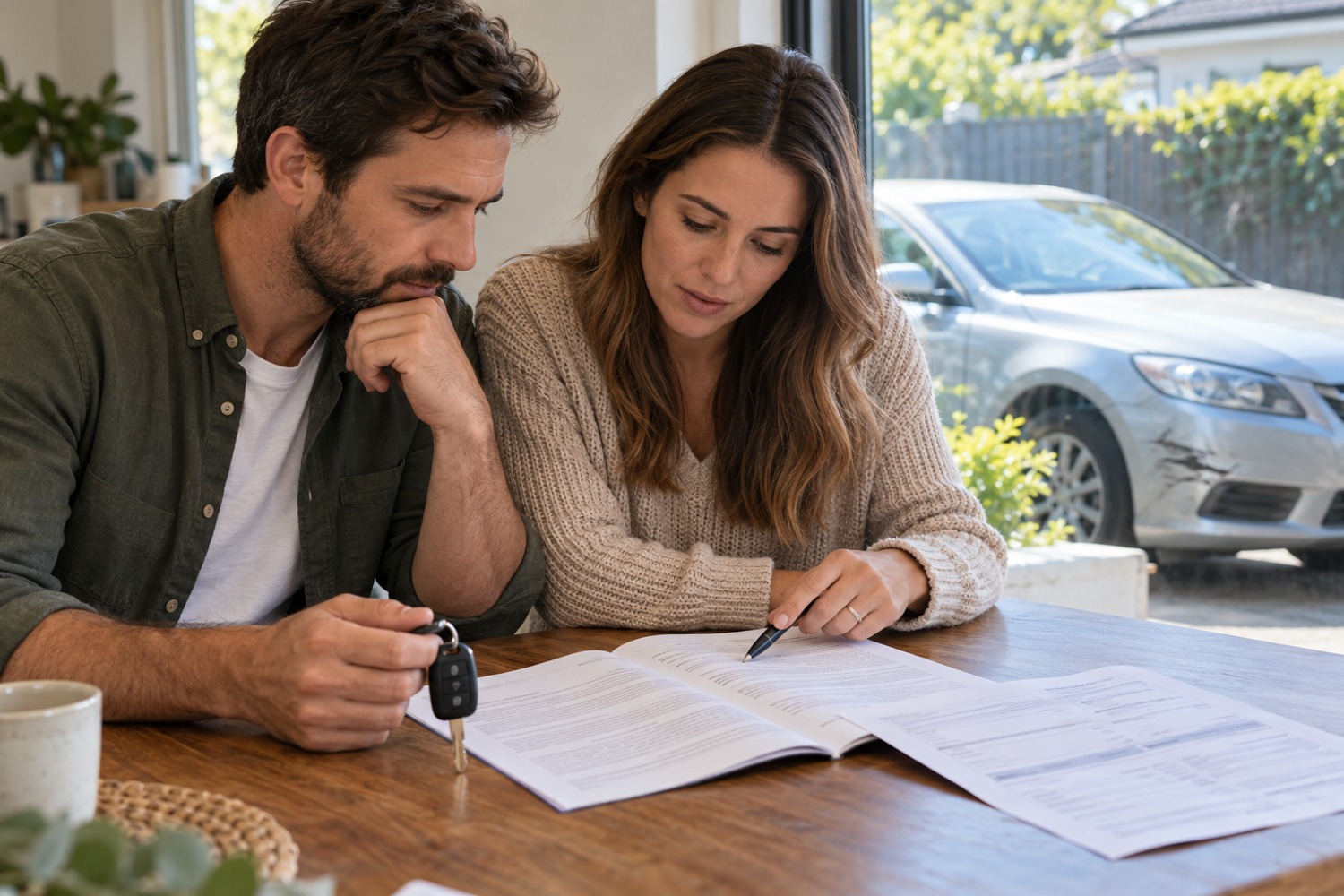
Three kinds of cover get mixed up here. Only one is built to repair your own car.
Comprehensive cover pays for damage to your car, and for damage your car does to other people. Third party property damage cover is narrower, and pays only for the damage your car does to others. The cover inside your Victorian registration pays for injuries to people, not for damage to vehicles, and no vehicle damage cover is compulsory here.
Three more words come up once you start ringing insurers. Your excess is what you contribute towards a claim. Recovery is your insurer getting its money back from the other side later. Fault is the insurers’ decision about who caused the crash.
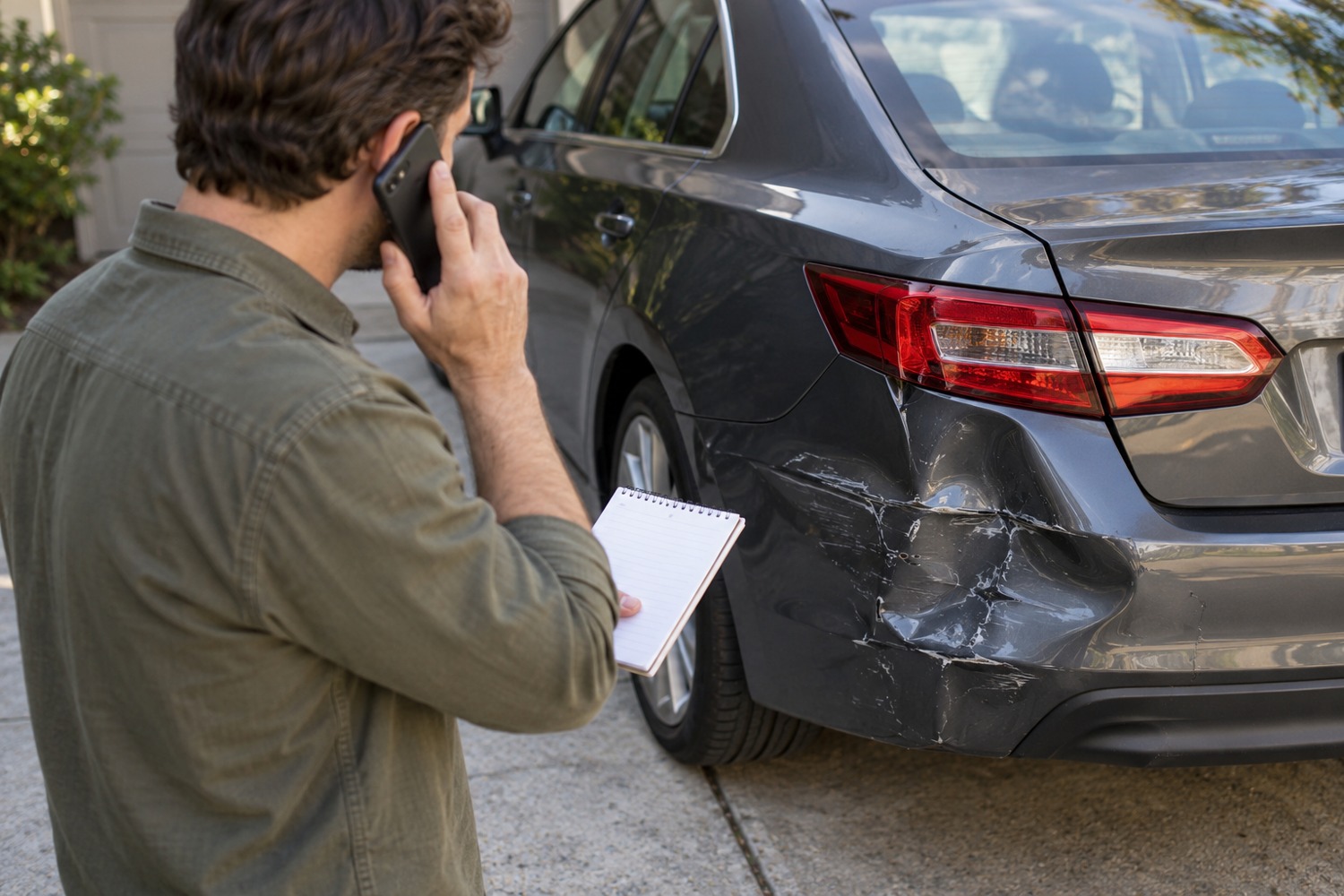
This is a claim against a policy that is not yours, to repair your car. You give that insurer what happened and both sets of driver details. It decides whether it accepts that its customer was responsible, then pays for or arranges your repair.
Now the honest part. You are a third party to a claim you do not control, and not that insurer’s customer. It only becomes involved once the other driver lodges a valid claim. It may then negotiate with you, and it does not have to. So this route often moves more slowly than claiming on your own policy.
Without comprehensive cover of your own, you are still not shut out. The financial complaints ombudsman can consider a complaint against the at-fault driver’s insurer, below a set limit. That driver must have lodged a valid claim, or have died, or be impossible to find. Complain to the insurer first.
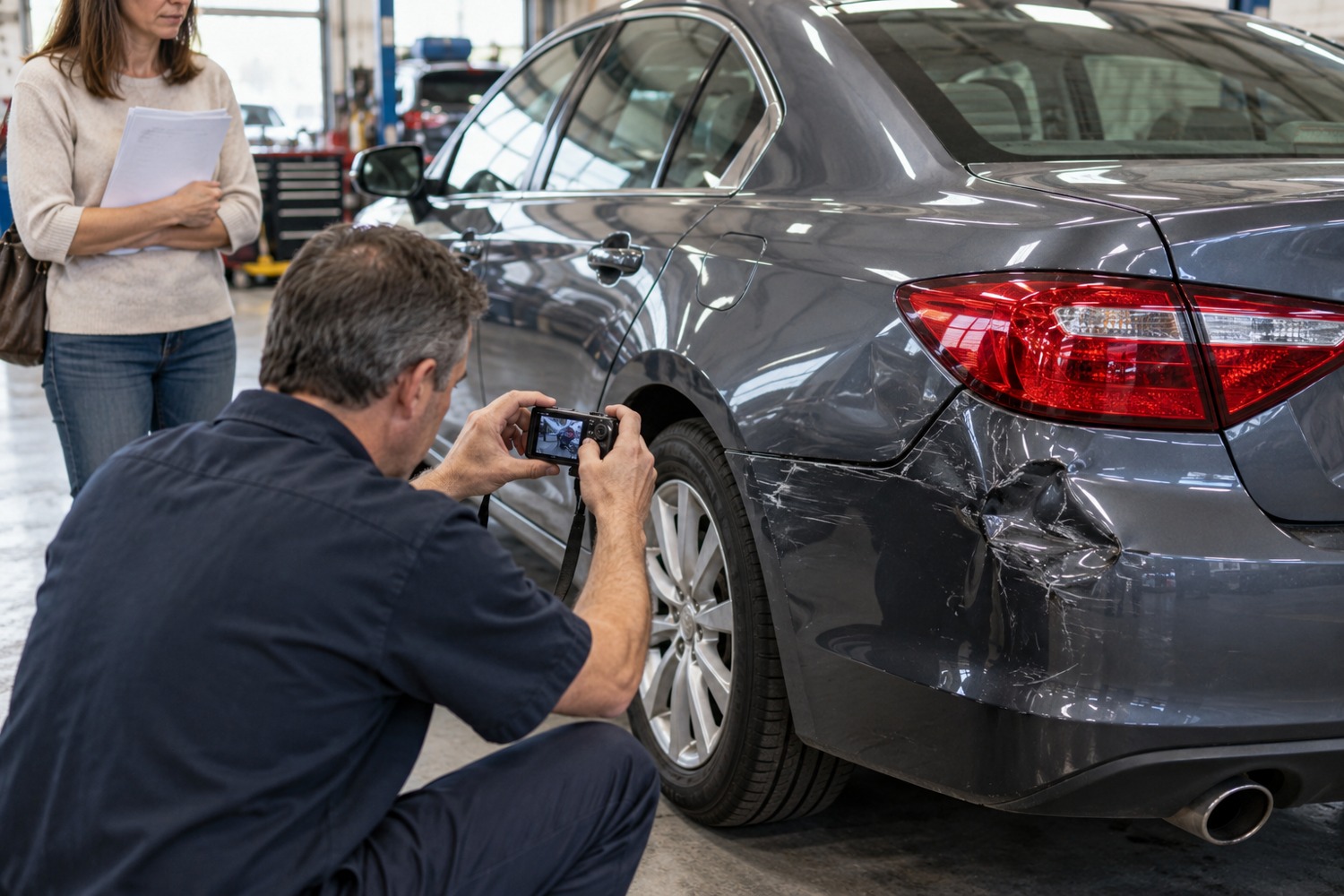
This is the ordinary comprehensive claim, and for most people it is simpler, because here you are the customer. Your insurer takes the claim, assesses the damage and gets the car repaired.
Recovery is what makes this route work. Your insurer pays for the repair first, then goes after the at-fault driver or their insurer for what it spent. One current policy lets it do that without your consent, and in your name. Your repair does not wait for any of it.
The trade is a claim on your own record. A claim can lift what you pay at renewal, even when the crash was not your fault. Your policy then governs the excess. Who repairs the car is a separate question, and whether you can choose your own repairer in Victoria comes down to the same wording.
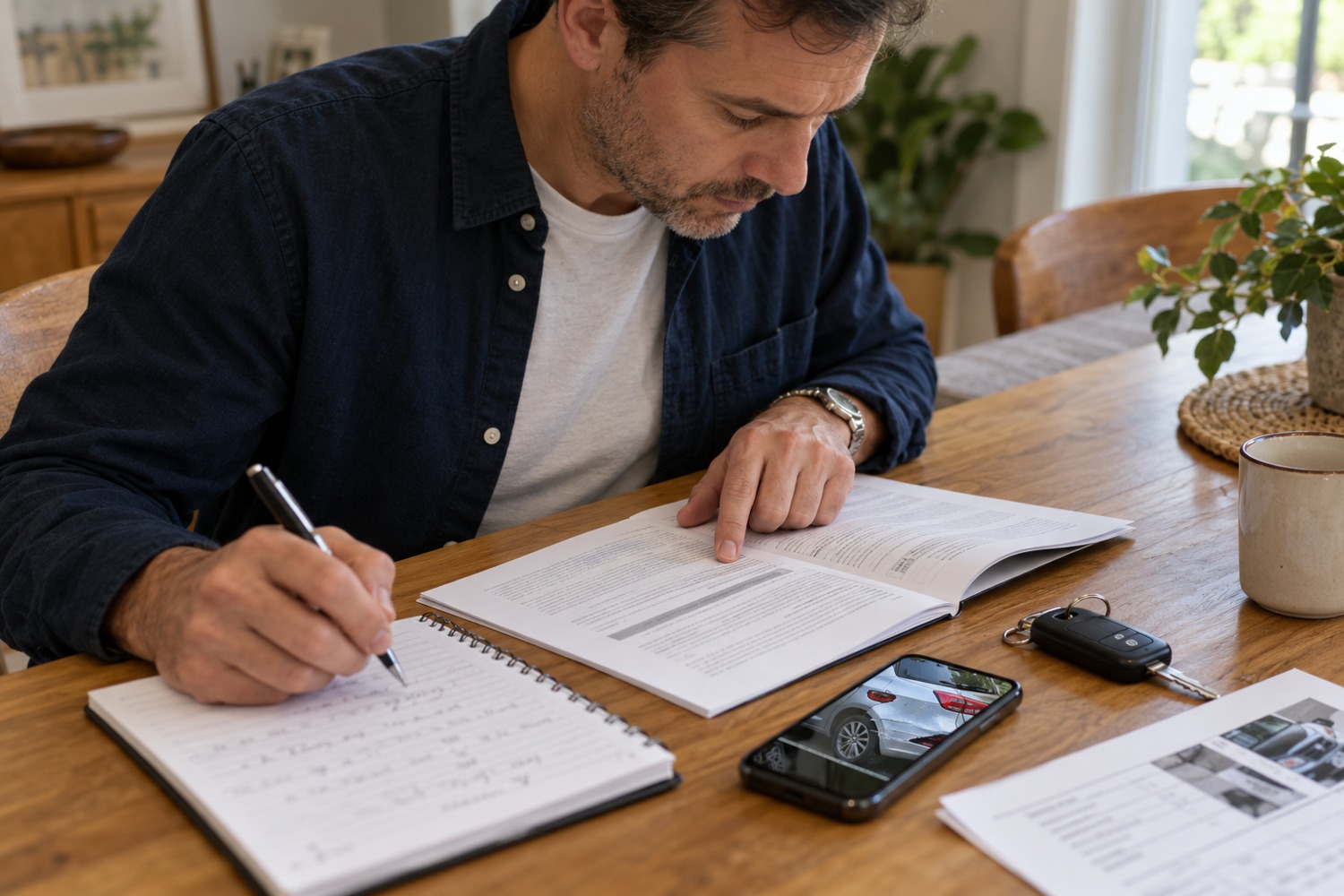
Start with the general position, because it catches people out. When you make a claim you normally pay your excess, at fault or not. Your policy schedule says what yours is.
What changes that is your policy, not the law. One current comprehensive policy waives the excess on three conditions. The insurer must be satisfied the crash was not your fault. You must give it the name and home address of the person it agrees was at fault. And the claim must be worth more than the basic excess. That same policy says the excess is payable where it cannot establish somebody else was responsible. Other policies handle it differently.
Your product disclosure statement settles it. That is the policy booklet you were given with the cover. Look for the section headed excess, and for when an excess does not apply. Then ring and ask one question. If I give you the other driver’s name and address, do I pay an excess, and do I get it back? Write down the answer and who gave it.
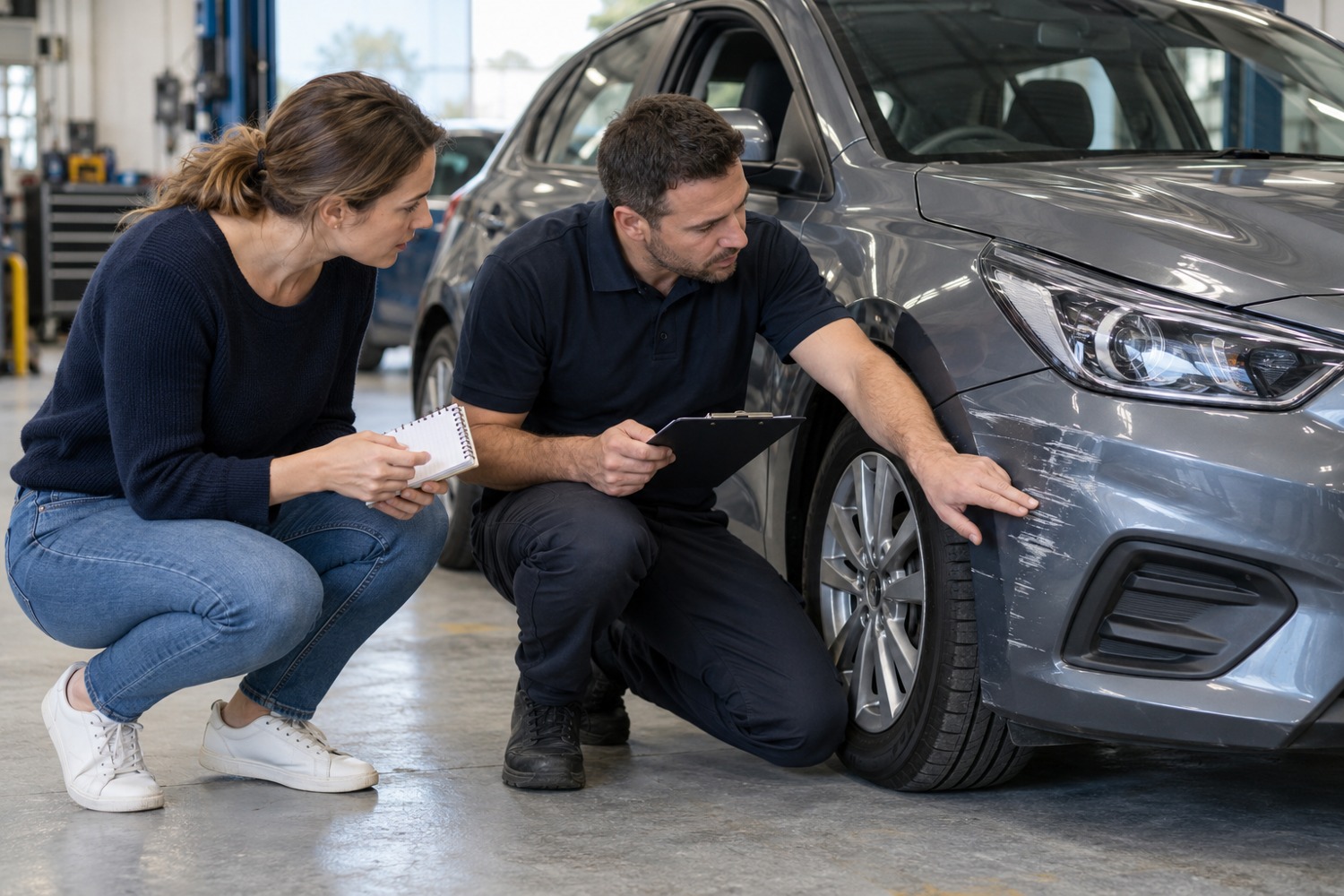
Three honest possibilities, and none is automatic.
With comprehensive cover, you claim on it as normal. Your insurer repairs the car, then decides whether chasing the other driver is worth it.
With third party property damage cover, check for an uninsured motorist benefit. Some carry one and some do not. It pays a capped amount towards your own repairs, where the other driver was at fault, uninsured, and able to be identified. One current policy wants that car’s registration and the driver’s name and address.
Then the route of last resort, and Victoria Legal Aid puts it plainly. If someone causes a crash, they are responsible for any damage they cause. A claim for repairs can go through an insurance company or through the courts, if necessary. Court can be expensive, and a driver with no job, assets or money may be hard to recover from even when you win.
The Financial Rights Legal Centre runs an online problem solver for the days after a crash.
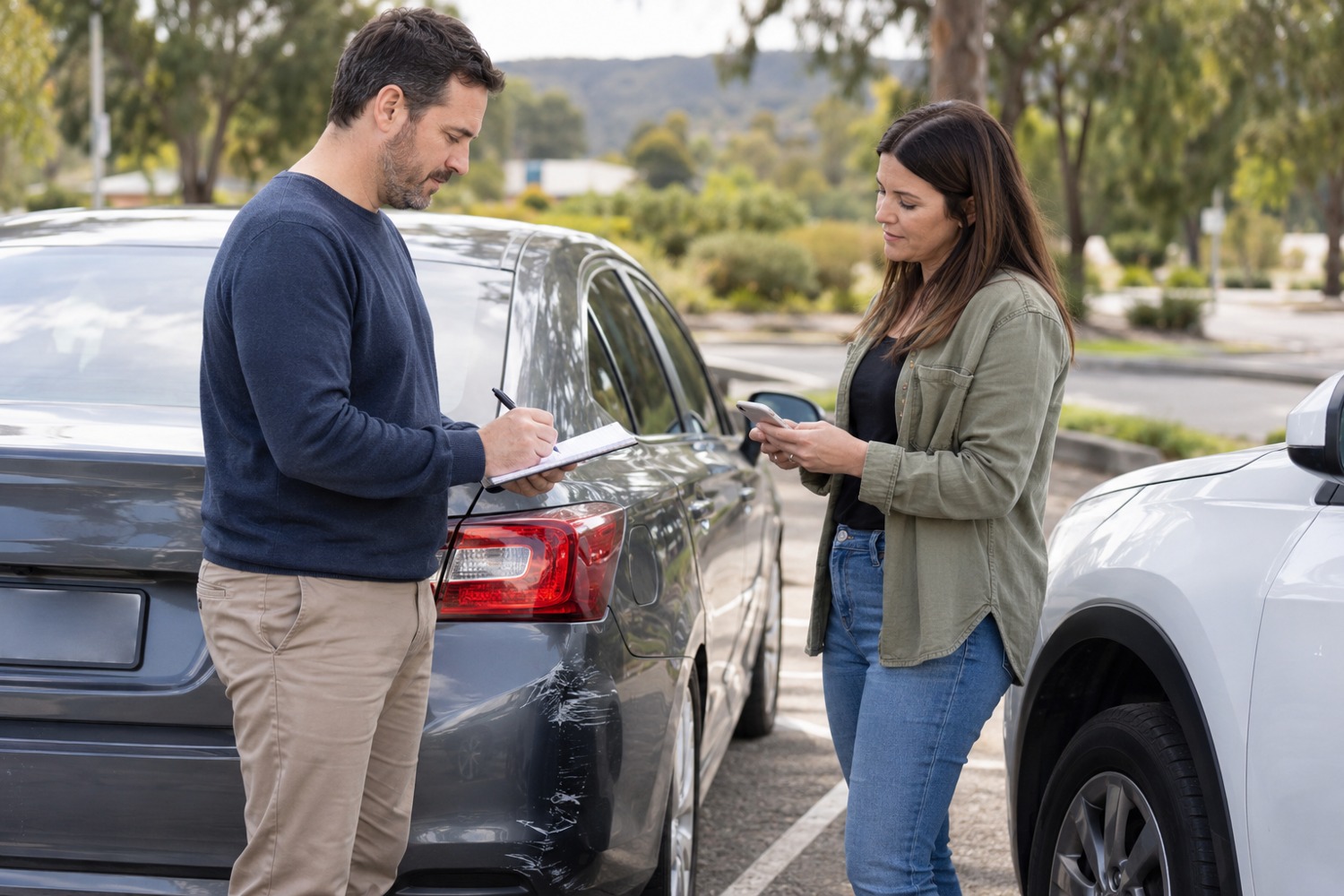
The roadside is a separate job, and the first 24 hours after a crash are covered on their own. This list is for the phone call days later.
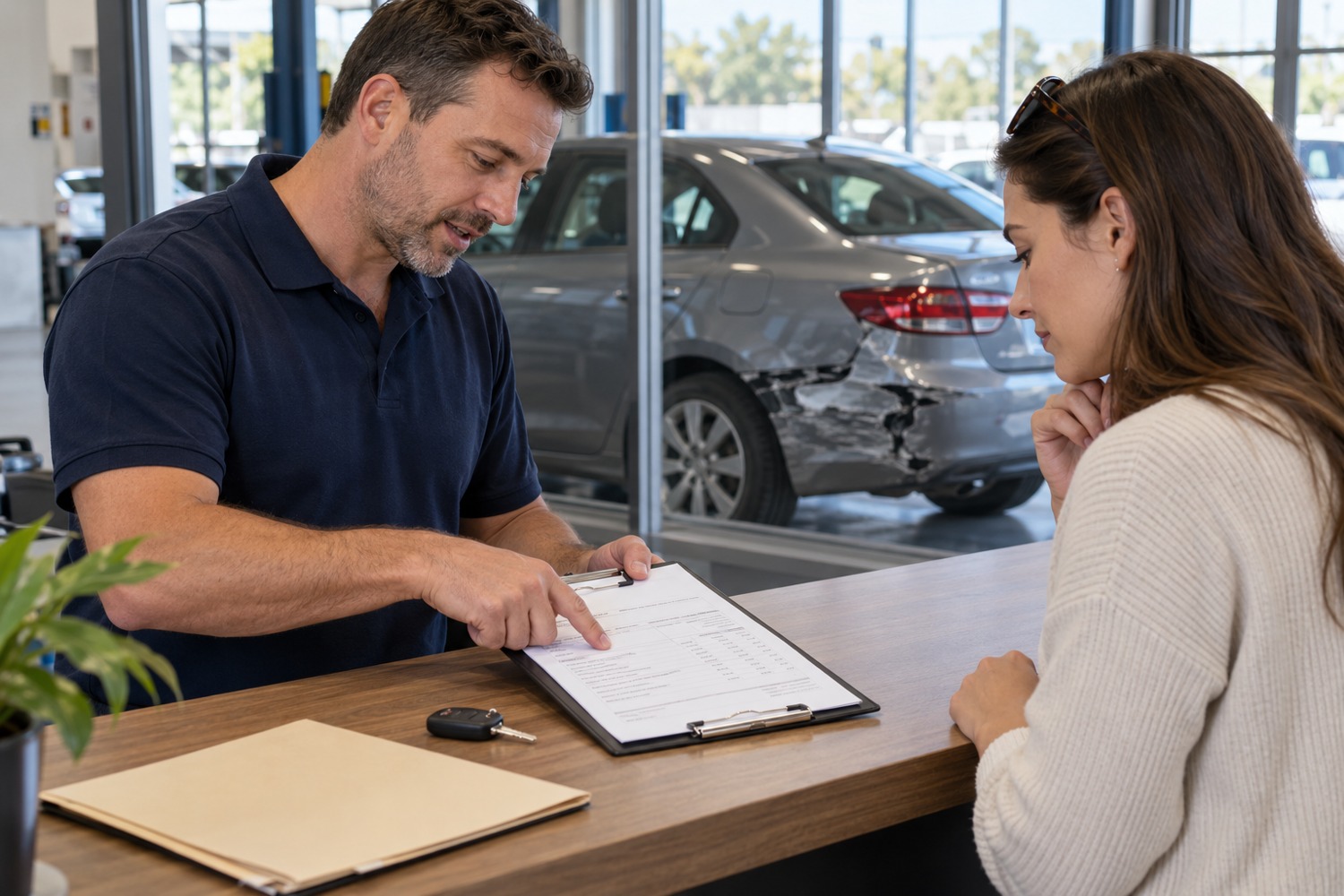
Which route suits you depends mostly on what you hold. With comprehensive insurance, your own claim is usually the faster of the two. The excess is the one thing to check before you choose. Without comprehensive cover, you start with the other driver’s insurer, which waits on them lodging a claim.
Whoever pays, somebody has to price the damage. A written, itemised quote is the one document that works on both routes. Hand it to either insurer, or to the other driver.
Surrey Accident Repair Centre can supply a clear, itemised quote for the smash repairs your car needs. That quote is yours to use, whichever insurer ends up taking the claim. Book an inspection and bring what you have on the other driver.
If the car turns out to be written off, that is a different conversation and your insurer will explain the payout.
It can. Insurers may lift a premium at renewal after any claim, including one you were not to blame for. Ask your insurer rather than assuming.
Let the insurers settle it between themselves. On your own claim, your repair keeps moving while they do, so you are not arguing it out yourself.
Sometimes. Where a policy waives the excess for a crash somebody else caused, the condition is almost always that you can name and locate that driver. Your policy booklet settles it.