RACV recommends collecting this information as standard practice after any collision. It is also worth noting that if police attend the scene, drivers are required to provide their details to officers as well.
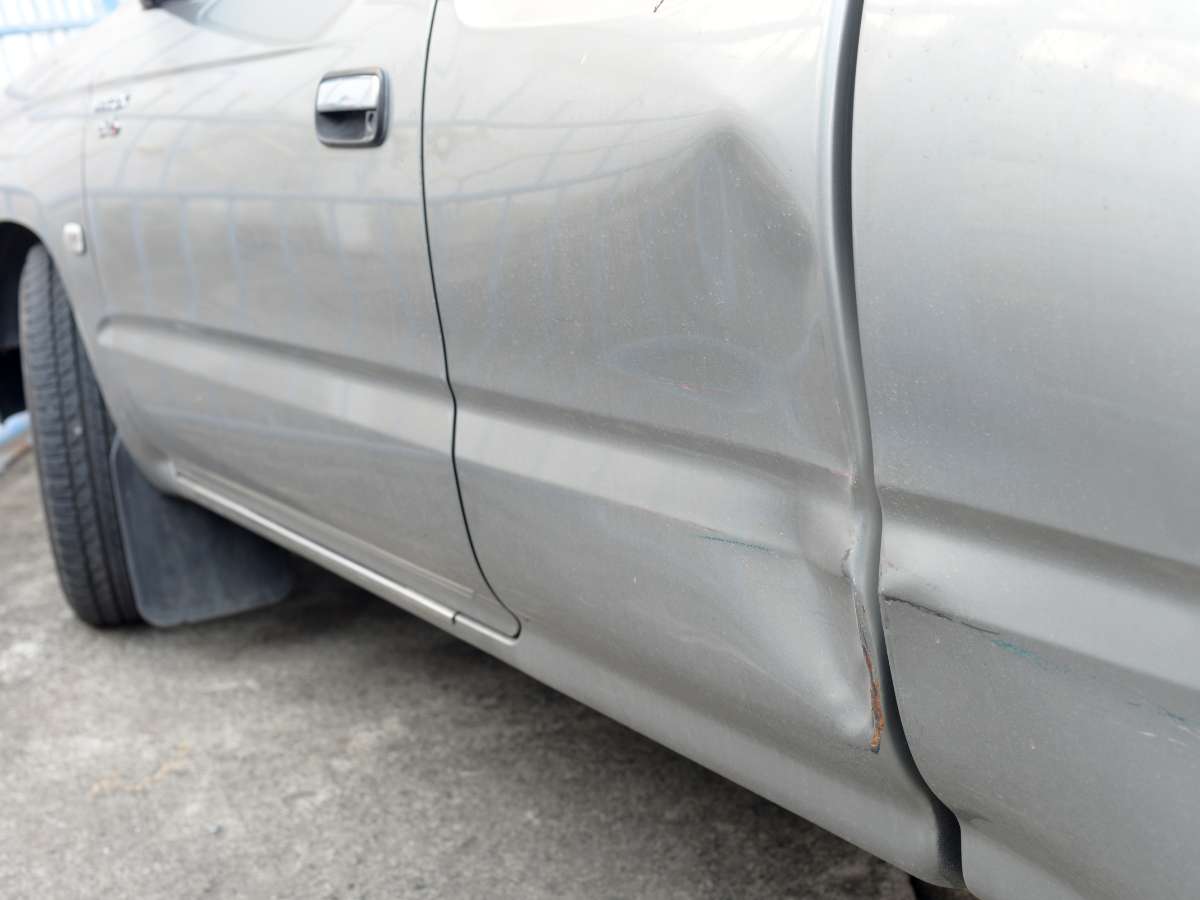
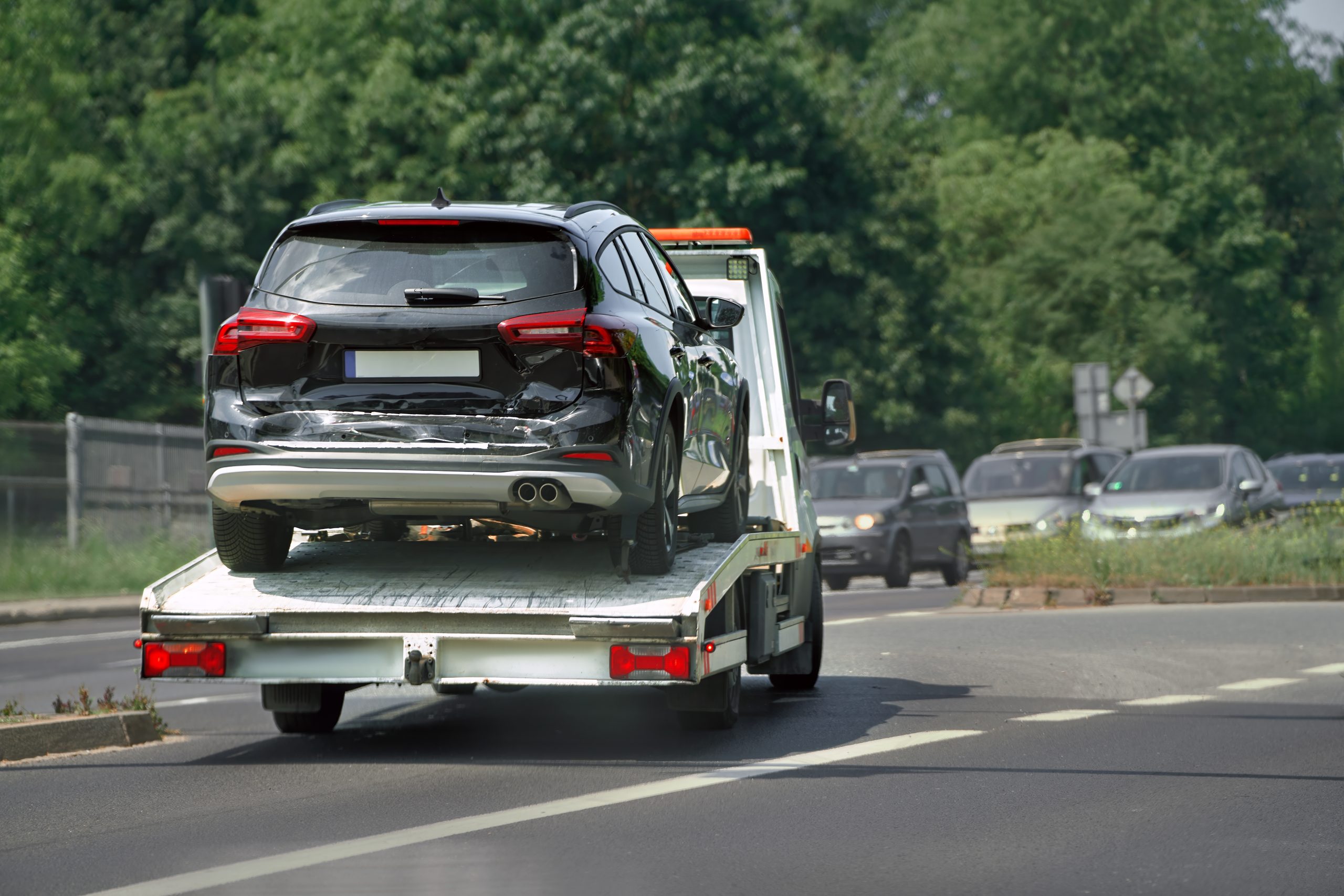
If the car cannot be driven safely, a tow truck enters the picture. This is where Victorian law offers protections that many drivers do not know about.
Under the Accident Towing Services Act 2007 and associated regulations, tow truck drivers and any other person are prohibited from touting for repair work at the crash scene. A driver does not need to decide where the vehicle will be repaired at the time of tow. The tow truck operator must explain the driver’s rights and provide the towing authority paperwork before the vehicle is moved.
In the Melbourne controlled area, accident tow trucks are allocated through a roster system. Drivers can call 13 11 76 for crash towing allocation.
Before signing anything at the roadside, it is worth calling the insurer. Most major insurers have preferred tow and storage arrangements. Skipping that call can mean paying for storage fees or secondary tows that were never agreed to. Consumer groups including CHOICE recommend contacting the insurer before committing to any towing arrangement.
If the vehicle has been towed and needs assessment, Surrey Accident Repair Centre’s towing page outlines the next steps for drivers in that situation.
Inner-east crashes are typically low speed, but the human body does not always react on the spot. Soft-tissue injuries to the neck and back can take 12 to 24 hours to surface. Adrenaline masks a lot in the first hour.
If soreness, headaches or restricted movement appears the next day, get it checked. Victoria’s Transport Accident Commission (TAC) provides guidance on what to do after an accident, including how injury claims work and what medical support is available. Early documentation of symptoms makes any later claim far simpler
Two minutes of note-taking on the evening of a crash can save hours of reconstructing events weeks later. Memory is unreliable, and insurance assessors know it.
A useful note includes:
Resist the urge to argue fault at the roadside. State the facts. Leave the interpretation to the insurers and, if it comes to it, the lawyers.
A modern car can look perfectly fine after a minor bump and still have safety systems that need professional attention. This is where a lot of post-repair frustration begins. The car drives. It seems normal. Then warnings start appearing, features stop working, or the vehicle behaves differently in traffic.
Even a low-speed bumper hit can disturb systems that most drivers never think about.
Forward-facing camera (used for lane-keep assist and autonomous emergency braking): a windscreen crack, bumper shift or movement in the grille area can throw the calibration out. Proper checking means a diagnostic scan and recalibration where needed, with a record of completion.
Radar sensor (adaptive cruise control and AEB): sits behind or within the front bumper on most modern vehicles. A bracket bend or mounting shift from a front-end impact can affect its alignment. It needs scanning, aiming if required, and confirmation that no fault codes remain.
Parking sensors: bumper scuffs can crack the sensor housings or damage the clips that hold them in place. A functional test and scan should confirm whether they need replacing rather than gluing back together.
Blind-spot monitoring: rear quarter impacts are the classic trigger. Even removing and refitting a bumper during repairs can strain the wiring. A scan and functional check of the side-detection system should be part of any repair involving the rear corners.
Airbag system: if any airbag has deployed or a seatbelt pretensioner has fired, those components must be replaced, not reset. A scan report confirming no remaining fault codes is the minimum standard.
Any of those should be treated as a safety system fault, not a minor irritation. A proper post-collision inspection includes electronic diagnostics and, where manufacturer procedures require it, calibration evidence.

Whether a driver ends up at Surrey Accident Repair Centre in Surrey Hills or any other shop, these questions are about proof, not promises.
A repairer who is confident in their process will not hesitate with any of those. Surrey Accident Repair Centre’s services page details what their assessment and repair process involves.
The first 24 hours after a crash are not about getting the car fixed. They are about building an evidence trail that makes everything afterwards smoother: the insurance claim, the repair, the medical treatment if needed, and the peace of mind that nothing was missed.
Get the details. Take the photos. Know the towing rules. Watch the warning lights. Write it down.
The rest follows from there.
This article is published by Surrey Accident Repair Centre. The questions and checklists above are designed to work with any repairer. Use them to compare.