What Separates Precision Panel Repairs From a Quick Patch Job
Walk into Surrey Accident Repair Centre and the first thing you notice is the scale.
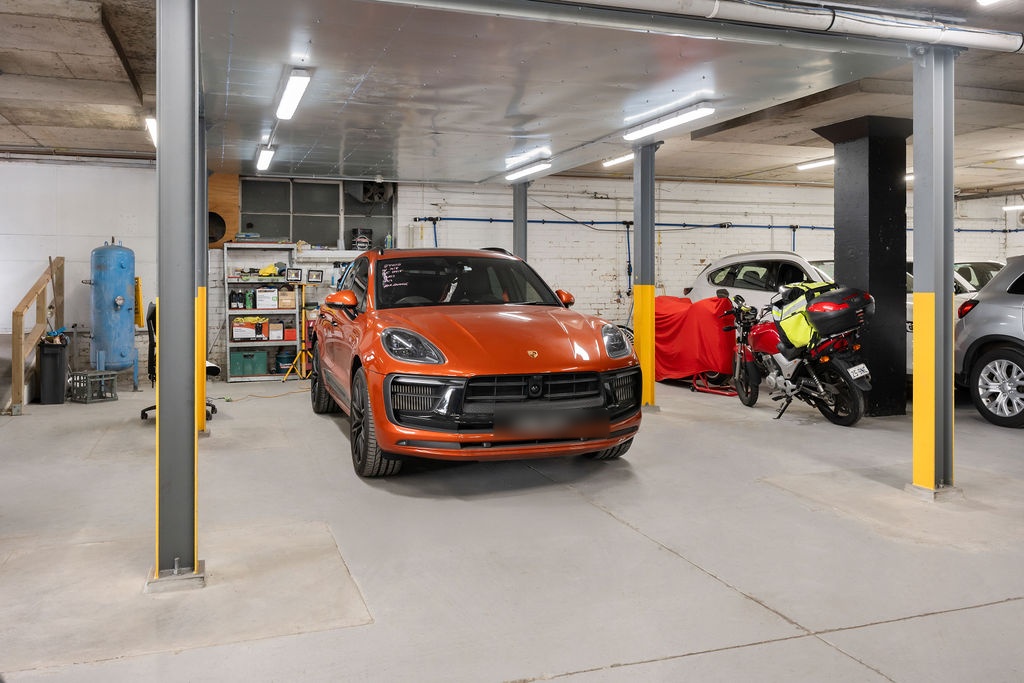
The work bays run the length of the building. Vehicles sit in different stages of repair. Some stripped back to bare structure, others already sanded, aligned or prepared for paint. It looks more like an industrial production environment than a suburban panel shop. That difference is not aesthetic. It is structural. And it explains why some repairs last and others do not.
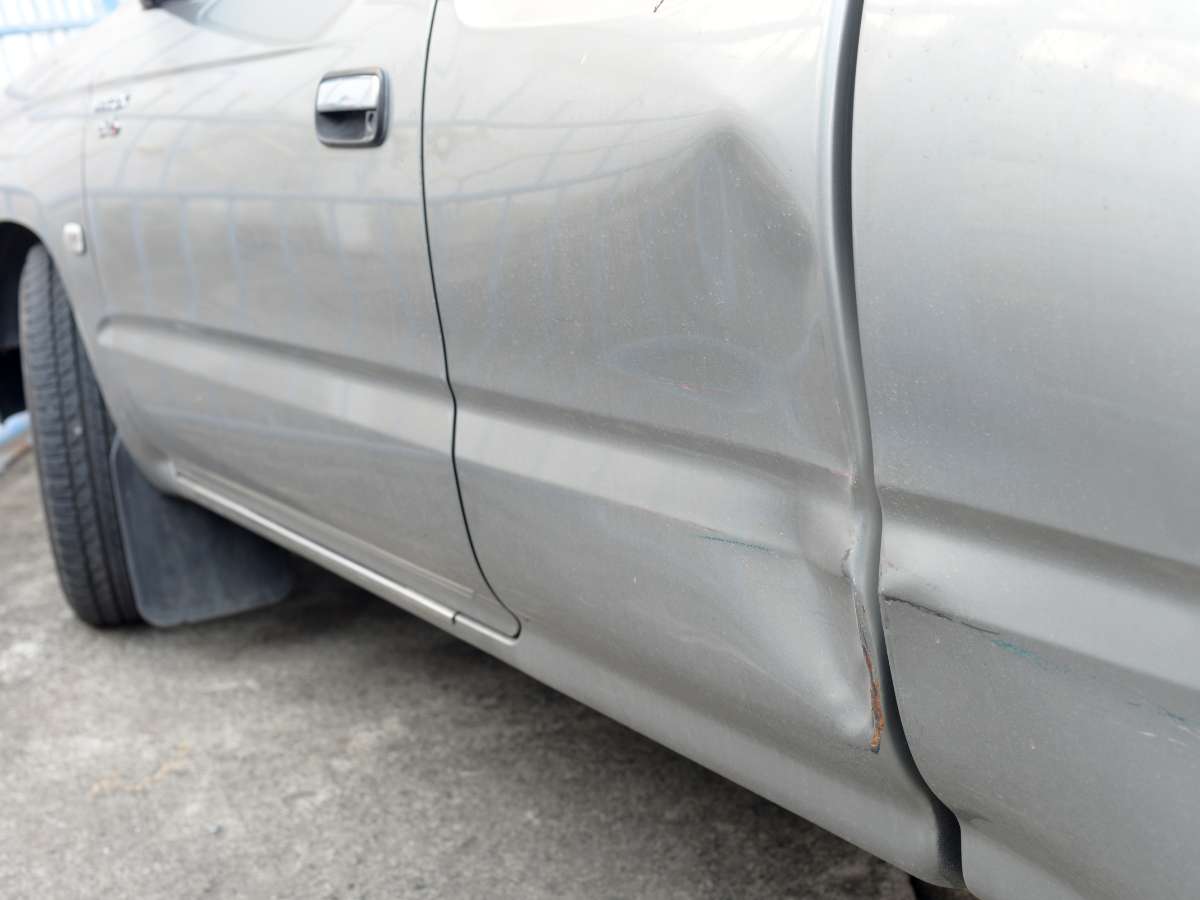
From the outside, two smash repairs may look identical. Both cars leave the workshop clean, polished and apparently restored. But the long term outcome comes down to decisions made where customers rarely look. Precision repairs begin long before a new panel or coat of paint is applied.
A repair starts with measurement, not metalwork
Most panel shops begin where the damage is visible. Surrey Accident begins by mapping the vehicle’s structure using digital chassis alignment systems. These measure the car against factory reference points to see whether the impact has caused movement.
If the chassis has shifted, even slightly, the repair process changes entirely.
This affects:
how doors will close
how suspension components will wear
how body panels will align
how the vehicle will behave in a future accident
Skipping this step is the hallmark of a quick patch job. Fixing the cosmetic issues without restoring the structure is like painting over a crack in a wall without repairing the foundation.
Structural accuracy is a safety issue, not a visual one
Every modern vehicle is engineered with defined crash load paths. These guide energy away from the cabin in an impact. If a previous collision has altered the chassis geometry, the next accident may not behave as the engineers intended.
A precision repair brings the structure back to specification, restoring both strength and future crash performance. A quick patch job makes the car look right but leaves the structural system compromised.
Alignment and panel fit are the silent indicators of quality
Cars repaired at Surrey Accident often leave with tighter panel gaps than when they arrived. This is not luck. It is the result of:
correct alignment
precise panel shaping
experienced technicians who know how a modern vehicle should sit under load
In the workshop images you provided, several cars are in mid alignment or panel preparation. This stage is slow and methodical. It is also where most of the long term quality is created. Misaligned panels can cause:
wind noise
water leaks
premature corrosion
increased drag and reduced efficiency
Quick patch repairs simply push or pull panels until the gaps are near enough. The tension in the metal eventually reveals itself as cracking, distortion or rust.
Paintwork is chemistry and environment, not just colour matching
Customers judge repairs by how well the paint matches. Professionals judge them by how well the finish will hold up in five years. Surrey Accident’s paint booths, ovens and mix rooms exist for a reason. Water based systems need stable environmental conditions to perform at their best.
Here is what separates proper paint preparation from a rushed job:
Precision preparation involves:
sanding that maintains panel curvature
controlled humidity in the paint booth
controlled curing temperature in the oven
consistent material mixing in the paint mix room
blending into adjacent panels to avoid colour boundaries
Quick patch work often involves:
painting in uncontrolled workshop air
minimal surface preparation
inconsistent clear coat thickness
visible colour transition lines
finishes that dull or cloud over months
In your images, the paint mix room and sanding processes demonstrate the controlled approach. This is how longevity is engineered into the job.
Workflow discipline builds consistency
High quality repairs are created by predictable systems. The large open workshop bays, the organised tool zones, the paint mix room and the documented repair stages are not visual props. They create consistency. They reduce cross contamination. They allow technicians to move efficiently without compromising quality.
Quick patch operations tend to be cluttered, improvised and reactive. The finish reflects that.
Presentation at delivery reflects the entire process
Surrey Accident customers often mention in reviews that their cars come back cleaner than before the accident. Wheels, tyres, interior trims and glass are all detailed. This is not added value. It is a signifier of workshop culture. Technicians who clean a car thoroughly tend to repair it thoroughly. Workshops that rush the job rarely bother.
Why does this matter to you as a vehicle owner?
Precision repairs deliver:
longer paint life
better structural accuracy
better resale value
lower long term maintenance
fewer rattles, leaks and alignment issues
consistent operation of doors, tailgates and windows
These things save you money!
Quick patch repairs save money upfront but cost more downstream. The problems gradually surface, and when they do, they are expensive to correct.